
Window Well Drainage Systems: Prevent Basement Window Flooding
Window well flooding destroys finished basements through a terrifying cascade—300+ gallons of water accumulating during heavy storms, pressing against basement windows with 8.5 pounds of pressure per gallon, eventually breaching window seals and flooding interior spaces with thousands of dollars in water damage. The cruel irony: approximately 90% of window well flooding proves preventable through $100-$500 properly designed drainage systems that most builders skip during construction to reduce costs.
The standard builder-installed window well creates dangerous vulnerability disguised as adequate protection—corrugated metal liner bolted to foundation, perhaps 2 inches of decorative gravel, no actual drainage pipe, and no cover. This configuration works perfectly until the first heavy rainfall when the well fills like a bathtub, hydrostatic pressure overwhelms window seals, and water pours into living spaces. Homeowners watching this happen describe it as helplessly observing their basement flood in real-time with no ability to stop the deluge.
Here’s the drainage hierarchy most contractors don’t explain: gravel alone (without drain pipes) proves essentially decorative—functional only in exceptionally sandy soils with covers installed and debris religiously removed. Gravel plus daylight drains work for properties with proper slope but require maintenance as silt clogs pipes. Connection to perimeter drainage systems provides permanent solutions but requires excavation and professional installation. Interior WellDuct systems offer genius engineering for existing homes—drilling through foundations to connect wells directly to interior drainage without disturbing landscaping.
This guide reveals why 6-8 inch gravel depth matters (not the builder-standard 2 inches), explains why crushed stone dramatically outperforms river rock through void space physics, demonstrates that metal grate covers prove superior to popular polycarbonate domes for both drainage and ventilation, and exposes the maintenance reality nobody discusses—even perfect systems need cleaning every 3-5 years or gradually lose capacity until inevitable flooding.
Window Well Drainage: Complete Guide to Preventing Basement Flooding
Purpose of window wells (light, ventilation, egress):
Window wells serve critical functions for basement spaces:
Natural lighting: Basement windows below grade level require excavated areas (window wells) allowing daylight to reach windows. Natural light transforms dark basements into functional living spaces, reducing reliance on artificial lighting and improving livability.
Ventilation: Building codes often require operable windows for basement habitable spaces providing fresh air circulation and emergency ventilation. Window wells create the space necessary for windows to open and close properly.
Emergency egress: Fire codes mandate emergency escape routes from basement bedrooms. Egress windows provide life-safety escape paths during emergencies—window wells must be sized adequately (minimum 9 square feet opening area) allowing adult egress and emergency responder entry.
These essential functions create vulnerability: The same excavations bringing light and safety also create water collection points. Every window well becomes a potential reservoir during rainfall—without proper drainage, these reservoirs transform into flooding mechanisms threatening the basement spaces they’re meant to improve.
Common flooding problems:
Window well flooding manifests through predictable patterns:
Bathtub effect: Wells without adequate drainage fill with rainwater during storms, creating standing water pools. A typical 4-foot × 3-foot window well filled to 18 inches depth contains approximately 135 gallons—a swimming pool pressed directly against your basement window.
Pressure-induced breaches: Water accumulation creates hydrostatic pressure against windows. At 8.5 pounds per gallon, even 50 gallons generates over 400 pounds of force against window surfaces. This pressure eventually breaches window seals, caulking, or frames.
Overflow infiltration: Wells filled beyond window top overflow, with water running down foundation walls and entering through window-wall interfaces, cracks, or porous concrete.
Freeze-thaw damage: Standing water freezing in winter expands, damaging window wells, windows, and foundations. Repeated cycles progressively worsen damage, creating new entry points for future flooding.
Debris accumulation: Leaves, soil, and organic material washing into wells decompose, creating drainage-blocking sludge that reduces effective well depth and clogs any existing drainage systems.
Cost of window well water damage:
A single flooding event creates cascading expenses:
Immediate water damage ($2,000-$10,000+):
- Carpet and padding replacement
- Drywall repair (lower 2-4 feet typically affected)
- Baseboard and trim replacement
- Furniture and stored items damage
- Electronics and valuables loss
Secondary damage ($1,000-$5,000):
- Mold remediation if not addressed within 24-48 hours
- Paint and refinishing
- HVAC system damage if water reaches mechanicals
Long-term consequences:
- Insurance rate increases or policy cancellation
- Home value reduction
- Future buyer concerns during home sales
- Recurring flooding if root cause unaddressed
Prevention perspective: Investing $500-$1,500 in proper window well drainage prevents $3,000-$15,000 in single-event damage while eliminating recurring flood risk. The ROI proves obvious—yet most homeowners wait for flooding before addressing drainage, turning preventable problems into expensive emergencies.
Why Window Wells Flood: Common Causes
Understanding flooding causes guides effective solutions—treating symptoms without addressing root causes guarantees recurring problems.
Clogged or Missing Drains
Missing drains entirely: Many builders install window wells with gravel but no actual drainage pipes. The gravel sits directly on compacted clay soil with zero water evacuation mechanism. This creates the illusion of drainage while providing none—water fills the gravel voids, then the well, eventually flooding the basement.
Visual check: Look at the bottom of your window well. Do you see a drainage grate or evidence of pipe? Or just gravel sitting on soil? If the latter, you have no drainage system regardless of gravel presence.
Clogged existing drains: Wells with drainage pipes develop clogs over time:
- Leaf debris washing into wells
- Silt migration through gravel reaching pipes
- Root infiltration seeking water sources
- Sediment accumulation over years
Timeline to clogging: Well-maintained drainage systems remain functional 5-10 years. Neglected systems clog within 2-3 years, gradually reducing capacity until heavy rainfall exceeds capability and flooding occurs.
Improper Grading Around Foundation
Ground sloping toward window wells creates concentrated water flow:
Reverse slope problems: Foundation settling or poor initial grading creates low spots around window wells. Surface water—from rain, downspouts, or lawn irrigation—flows directly into wells rather than away from foundation.
Concentration effect: A 10-foot radius around window well sloped even 2% toward the well directs hundreds of gallons during heavy rain—far more than well drainage can handle.
Visual indicators:
- Soil erosion patterns directing toward wells
- Standing water pooling near wells after rain
- Vegetation differences (lusher growth near wells indicates water accumulation)
- Visible channels in soil flowing toward wells
No Drainage System Installed
The builder «standard» that isn’t standard enough:
Typical builder installation:
- Corrugated metal liner bolted to foundation
- 2 inches of gravel in bottom (decorative, not functional)
- No drainage pipe
- No cover
- «Good luck with that»
Why this fails: Two inches of gravel over impermeable clay soil provides zero drainage capacity. The gravel absorbs perhaps 5-10 gallons before saturating, after which the well fills with water having nowhere to go.
The false economy: Builders save approximately $200-$400 per window well by skipping proper drainage. Homeowners pay $2,000-$10,000 when inevitable flooding occurs. This cost-cutting during construction creates liability transferred entirely to homeowners.
Debris Accumulation (Leaves, Dirt)
Seasonal accumulation: Fall leaves, spring tree debris, and windblown material collect in window wells. Without covers, wells become catch basins for all organic material in the vicinity.
Drainage blockage: Decomposing organic material creates sludge that:
- Blocks drainage grates and pipe openings
- Fills gravel void spaces reducing water storage capacity
- Creates nutrient-rich environment for vegetation growth in wells
- Combines with silt to form impermeable layers preventing drainage
Progressive degradation: Wells start with adequate drainage capacity. Annual debris accumulation gradually reduces this capacity by 10-20% yearly. After 5 years without cleaning, drainage capacity may be reduced by 50%+, making flooding inevitable during heavy rain.
Inadequate Window Well Size
Undersized wells: Code minimum window well dimensions often provide minimal clearance beyond window frame. Small wells hold less water before overflow and prove more susceptible to debris blockage.
Egress window challenges: Building code-mandated egress windows require minimum 9 square feet opening area—substantially larger than standard basement windows. These large wells collect proportionally more water:
- Standard window well (36″ × 48″): ~90 gallons at 18″ depth
- Egress window well (60″ × 60″): ~375 gallons at 18″ depth
The 4× water volume increase demands robust drainage solutions—yet egress wells often receive the same inadequate drainage as smaller wells.
Detached Window Well Liner
Separation problems: Window well liners bolt to foundation walls, creating sealed interface preventing water infiltration behind liners. When bolts loosen, rust, or liners shift:
Water channeling behind liner: Water enters gap between liner and foundation, flowing downward along foundation wall. This water bypasses window entirely, entering through foundation cracks, construction joints, or porous concrete.
Frost heaving: Freeze-thaw cycles push liners away from foundations. Even minor movement creates gaps allowing water infiltration.
Corrosion: Galvanized steel liners rust over 15-25 years, particularly at ground level. Rust compromises structural integrity and bolt connections.
Inspection: Check liner-to-foundation connection annually. Any visible gaps require re-securing or liner replacement to maintain water barrier integrity.
How Water Enters Basement Through Window Wells
Understanding infiltration mechanisms guides effective prevention:
Hydrostatic pressure (8.5 lbs per gallon):
Water accumulating in window wells exerts pressure against windows and foundations:
Pressure calculation:
- 50 gallons accumulated water: 425 pounds force
- 100 gallons: 850 pounds force
- 200 gallons (typical for filled standard well): 1,700 pounds force
Pressure distribution: Unlike static weight, water pressure acts equally in all directions—against windows, seals, caulking, and foundation walls. This omnidirectional pressure finds any weak point and exploits it.
Progressive breach: Initial pressure may not immediately cause flooding. Instead, pressure gradually loosens seals, enlarges microscopic gaps, and degrades caulking. Repeated rain cycles progressively worsen breaches until catastrophic failure during heavy storm.
Window seal failure:
Multiple seal types protect windows from water infiltration—all vulnerable to sustained pressure:
Primary seals:
- Caulking: Seals between window frame and foundation opening. Degrades over 10-15 years from UV, temperature cycles, and moisture exposure.
- Window glazing: Seals glass panes to frames. Less vulnerable to well flooding but can fail under extreme pressure.
- Weatherstripping: Seals operable window sashes. Not designed for hydrostatic pressure—fails quickly when submerged.
Seal failure progression:
- Pressure creates small leaks—visible as dampness around window frame
- Leaks enlarge with repeated pressure cycles
- Catastrophic failure during heavy rain—sudden large-volume water entry
Foundation wall breach:
Water finding foundation vulnerabilities:
Entry points:
- Cracks from foundation settling or thermal movement
- Construction joints between foundation pours
- Porous concrete allowing capillary water migration
- Window rough opening gaps if not properly sealed during construction
The sneaky route: Water may not enter through window at all—instead infiltrating behind window well liner, flowing down foundation wall, and entering through foundation imperfections below or beside window.
Overflow during heavy rain:
Wells filled to window top overflow, with water:
Running over window top: Creates waterfall effect down window exterior and interior faces. Even excellent window seals cannot prevent water entry from above.
Overwhelming drainage: Even functional drainage systems have maximum flow capacity. Extreme rainfall exceeding this capacity causes overflow regardless of properly sized drainage under normal conditions.
Flow rate example: Heavy rain producing 2 inches per hour on a 4′ × 3′ well generates approximately 18 gallons per hour inflow. If drainage can remove only 10 gallons per hour, net accumulation is 8 gallons per hour—well fills to overflow within hours.
Snow melt accumulation:
Winter-specific flooding mechanism:
Rapid melt scenarios: Warm weather or rain-on-snow events rapidly melt accumulated snow in and around window wells. This sudden water volume—potentially 20-30 gallons from snow packed in a typical well—overwhelms frozen or sluggish drainage systems.
Ice blockage: Drainage pipes frozen from winter cold cannot remove meltwater, guaranteeing well flooding during thaw events.
Worst-case scenario: Spring thaw with frozen ground. Snow melts but frozen soil prevents infiltration. All meltwater accumulates in wells with nowhere to drain, creating severe flooding risk during season when homeowners least expect it.
Window Well Drain Types and Systems
Multiple drainage approaches exist—selecting appropriate type depends on site conditions, budget, and existing infrastructure.
Built-In Perforated Drains (Standard)
Description: Four-inch perforated drain pipe installed at window well bottom, buried in 6-8 inches of gravel. The basic functional drainage system all wells should include.
Components:
- Perforated 4-inch corrugated plastic pipe
- 6-8 inches crushed stone surrounding pipe
- Drain grate at well bottom (prevents debris entering pipe)
- Pipe routes to daylight discharge, French drain, or sump basin
Function: Water accumulating in well percolates through gravel, enters perforated pipe, and flows away from foundation. The gravel provides immediate water storage while pipe removes water, preventing accumulation.
Effectiveness: Handles typical rainfall adequately when properly sized and maintained. May be overwhelmed by extreme rainfall rates (2+ inches per hour) depending on discharge capacity.
Cost: $300-$800 per window well including materials, excavation, and installation.
Connection to Perimeter French Drain
Description: Window well drainage pipes connect to basement perimeter French drain systems, integrating window well drainage with comprehensive foundation water management.
Advantages:
Permanent solution: Water evacuated to sump pump and discharged well away from foundation. No reliance on soil absorption or daylight drainage.
System integration: Combines surface water management (window wells) with groundwater control (perimeter drains) in unified system.
Reliability: Sump pump systems with battery backup ensure drainage during power outages (when most needed).
Installation: Requires trenching from window well to perimeter drain location (typically 5-15 feet). Pipe slopes minimum 1/4 inch per foot to drain location.
Cost: $500-$1,500 per window well depending on distance to perimeter drain and excavation complexity.
Appropriate for: New construction, major basement waterproofing projects, or properties with existing perimeter drain systems.
Daylight Drainage to Slope
Description: Drainage pipe routes from window well to downslope discharge point (daylight outlet) where water exits pipe naturally via gravity.
Requirements:
- Property slope allowing gravity drainage
- Discharge point minimum 10 feet from foundation
- Unobstructed pipe route to discharge location
- Pop-up emitter or similar at discharge point
Advantages:
- No power required (gravity-driven)
- No sump pump maintenance
- Simple, reliable system with minimal components
Limitations:
- Requires adequate property slope
- Pipe route may conflict with landscaping
- Can clog over years (though less prone than buried pipes with no outlet)
- Discharge point may create yard drainage issues if poorly placed
Cost: $400-$1,000 per window well depending on distance to discharge point.
Appropriate for: Properties with natural slope, new construction where routing can be planned, situations where sump pump systems impractical.
WellDuct® Interior Drainage Channel
Description: Innovative solution for existing homes—low-profile channel drilled through foundation wall connecting window well directly to interior WaterGuard or similar drainage system.
Function: Water entering window well flows through channel in foundation wall, entering interior perimeter drain, then routing to sump pump. All drainage occurs inside—zero exterior excavation.
Advantages:
No exterior disruption: Preserves landscaping, driveways, patios—nothing disturbed outside.
Retrofit-friendly: Perfect for finished basements where exterior excavation would destroy expensive landscaping or hardscaping.
Fast installation: Typically completed in single day versus days for exterior excavation.
Integration: Connects to existing WaterGuard or similar interior systems. If interior system already installed, window well drainage adds minimal cost.
Installation process:
- Core drill through foundation wall at bottom of window well
- Install low-profile WellDuct channel through opening
- Connect to interior WaterGuard system
- Water flows from well through duct to interior drain to sump pump
Cost: $300-$800 per window well when adding to existing interior system. May require interior system installation if none exists (adding $5,000-$8,000).
Appropriate for: Existing homes with finished basements, properties where exterior excavation impractical, situations where interior drainage system already installed or planned.
Gravel Bed Drainage (6-8 Inches)
Description: The foundation of all well drainage—adequate gravel depth providing water storage, filtration, and drainage pipe protection.
Function:
Top 2-3 inches: Provides immediate water storage during rainfall, preventing rapid accumulation at well bottom.
Middle 2-3 inches: Acts as filter preventing fine soil particles (silt) from migrating to drain pipes and causing clogs.
Bottom 2-3 inches: Contains and protects perforated drain pipe, ensuring water can enter pipe without debris blockage.
Why 6-8 inches minimum:
Builder standard (2 inches): Decorative gravel providing no functional drainage capacity. Well fills almost immediately during rain.
Adequate standard (6-8 inches): Functional system providing water storage, filtration, and proper pipe installation depth. Typical storm runoff managed effectively.
Premium installation (10-12 inches): Maximum capacity for extreme rainfall or egress windows requiring additional water management.
Material specifications: Crushed stone (not river rock) in 3/4-inch to 1.5-inch size. Angular crushed stone creates void spaces allowing water flow—rounded river rock packs tightly reducing drainage.
Cost: $100-$300 for gravel replacement including labor (assuming drainage pipe already exists).
WellDuct® Interior Drainage System
The retrofit solution revolutionizing window well drainage for existing homes.
Low-profile channel design:
WellDuct engineering minimizes visual impact while maximizing water flow:
Dimensions: Low-profile channel approximately 1-2 inches wide, designed to sit flush against foundation wall at window well bottom.
Flow capacity: Despite compact size, channels handle substantial water flow—adequate for typical window well drainage under normal to heavy rainfall conditions.
Appearance: Minimal visual presence in window well—far less obtrusive than exterior drainage grates and pipes.
Connection to WaterGuard® system:
WellDuct integrates seamlessly with Basement Systems’ WaterGuard interior perimeter drainage:
System operation:
- Water enters window well from rainfall or melt
- Flows to well bottom where WellDuct channel installed
- Enters channel, passes through foundation wall via cored opening
- Discharges into WaterGuard interior channel
- Flows to sump basin for pump discharge
Advantages of integration: Unified drainage system managing both foundation perimeter water (WaterGuard) and window well water (WellDuct). Single sump pump handles all water removal.
No excavation required:
Traditional drainage: Requires excavating around foundation to install pipes, disrupting landscaping, driveways, and patios.
WellDuct approach: Core drilling through foundation accesses window well from interior. Zero exterior excavation—landscaping untouched.
Value for finished basements: Properties with established landscaping, decorative hardscaping, or expensive exterior finishes avoid destruction that exterior drainage installation would require.
Installation process:
Step-by-step (professional installation):
- Preparation: Remove gravel from window well bottom exposing foundation wall at well base.
- Core drilling: Diamond core drill creates opening through foundation wall (approximately 3-4 inch diameter) from interior basement side through to window well.
- Channel installation: WellDuct channel inserted through opening, positioned in window well along foundation wall.
- Connection: Channel connects to existing WaterGuard system inside basement. Sealed connection prevents water escaping into basement rather than flowing to sump.
- Gravel replacement: Clean crushed stone replaced in window well, covering WellDuct channel while allowing water access to drainage.
- Testing: System tested with water to verify proper flow from well through channel to interior drain to sump pump.
Timeline: Typical installation completed in 3-6 hours per window well.
Cost considerations:
WellDuct installation (per window well):
- With existing WaterGuard system: $300-$500
- Without interior system: $300-$500 plus $5,000-$8,000 for WaterGuard installation
Cost comparison:
- Exterior drainage system: $500-$1,500 per well (excavation, pipe, restoration)
- WellDuct system: $300-$800 per well (no excavation)
Value proposition: For existing homes where exterior work destroys landscaping or proves impractical, WellDuct provides cost-competitive solution with superior convenience. However, if no interior drainage system exists, combined WellDuct + WaterGuard installation becomes expensive proposition compared to exterior-only solutions.
Appropriate applications: Retrofit installations, finished basements, properties with established landscaping, homes with existing or planned interior drainage systems.
Gravel and Drainage Material Selection
Material selection dramatically affects drainage performance—seemingly minor choices create major functional differences.
Crushed stone vs river rock (crushed drains better):
Physics of drainage: Water flows through spaces between rocks (void spaces). More void space = better drainage.
Crushed stone characteristics:
- Angular, irregular shapes
- Doesn’t pack tightly—particles interlock creating stable structure with large voids
- Void space: 35-45% of volume
- Excellent water flow characteristics
River rock characteristics:
- Smooth, rounded surfaces
- Packs tightly—particles nest together reducing void space
- Void space: 20-30% of volume
- Poor drainage compared to crushed alternatives
Performance difference: Crushed stone drains 40-60% better than river rock of equivalent size. This difference determines whether wells drain adequately or accumulate water during heavy rain.
Cost: Crushed stone and river rock cost similarly ($40-$80 per ton). No financial reason to choose inferior river rock—the popularity stems from aesthetic preference (smooth river rock looks nicer) despite functional inferiority.
Professional recommendation: Always use crushed stone for window well drainage regardless of aesthetic preference. Function must trump appearance in water management applications.
6-8 inch minimum depth:
Layer functions (understanding the minimum):
Top layer (2-3 inches):
- First contact for incoming water
- Immediate storage capacity preventing bottom saturation
- Regular cleaning access—debris removed from this layer during maintenance
Middle layer (2-3 inches):
- Filtration zone preventing silt migration to drain pipe
- Maintains clean conditions at drainage pipe level
- Buffer between surface debris and functional drainage components
Bottom layer (2-3 inches):
- Contains perforated drain pipe
- Protects pipe from damage
- Ensures water can access pipe perforations from all directions
Why less fails: 2-4 inch depths (common builder standard) provide inadequate filtration, insufficient water storage, and poor pipe protection. Pipe sits too close to surface, clogs rapidly from debris and silt, and provides minimal functional capacity.
Preventing silt contamination:
Silt migration: Fine soil particles wash into wells during rain, gradually infiltrating gravel. Over years, silt fills void spaces, dramatically reducing drainage effectiveness.
Prevention strategies:
Landscape fabric barrier: Install landscape fabric beneath gravel, between gravel and native soil. Prevents silt migration upward while allowing water passage.
Proper grading: Ensure soil around window well crown doesn’t erode into well. Gentle slope away from well edges prevents soil wash-in.
Covers: Window well covers prevent rain splash from dislodging soil particles that would otherwise enter wells.
Regular maintenance: Periodic gravel removal and cleaning prevents accumulated silt from permanently reducing drainage capacity.
Signs of silt contamination: Gravel appearance changes from clean angular stones to dirty, fine-particle coated material. Drainage slows noticeably. Gravel feels compacted rather than loose.
Maintenance requirements:
Annual tasks:
- Remove surface debris (leaves, twigs, organic material)
- Inspect drain grate for clogging
- Flush drain pipe with hose verifying flow
- Check gravel condition and depth
3-5 year tasks:
- Remove and clean or replace gravel if contaminated
- Inspect drain pipe for damage or root infiltration
- Verify liner attachment to foundation
- Assess whether cover installation advisable if not present
10+ year tasks:
- Consider complete system replacement if drainage persistently problematic
- Replace corroded metal liners
- Upgrade to modern drainage systems if original installation inadequate
When to replace gravel:
Replacement indicators:
- Visible silt contamination throughout gravel depth
- Drainage performance deteriorated despite cleaning
- Organic material decomposition creating sludge
- Gravel compaction reducing void spaces
- Complete drainage system upgrade or repair
Replacement cost: $100-$300 professionally including gravel removal, well cleaning, new gravel installation. DIY cost: $50-$100 for gravel plus labor.
Frequency: Quality crushed stone with proper maintenance lasts 10-15 years. Silt-contaminated or poorly maintained gravel requires replacement every 5-7 years.
Window Well Covers: Prevention Solution
Covers provide the most cost-effective single improvement for window well flooding prevention.
Polycarbonate Dome Covers
Description: Clear plastic dome covers fitting over window well openings, secured with hardware or compression fit.
Advantages:
- Debris exclusion—prevents leaves, dirt, and organic material entering wells
- Some water deflection during rain
- Maintains natural light to basement windows
- Affordable ($50-$150 for standard sizes)
Disadvantages:
Eliminates ventilation: Sealed covers prevent air circulation through windows. Problematic for code-required window ventilation in habitable basement spaces.
Heat buildup: Clear covers create greenhouse effect during summer, trapping heat in wells and increasing basement cooling loads.
Aesthetics: Protruding plastic bubbles lack aesthetic appeal. Homeowners frequently remove them, defeating protection purpose.
Durability: Plastic degrades from UV exposure. Cheap covers crack within 2-3 years. Quality polycarbonate lasts 5-8 years before replacement needed.
Water management: Covers shed water to well perimeter, where it infiltrates soil. Works adequately with proper grading but doesn’t prevent all water entry—rain flowing off covers still accumulates around well edges.
Cost: $50-$80 (budget covers, 2-3 year lifespan), $120-$200 (quality polycarbonate, 5-8 year lifespan).
Metal Grate Covers (Ventilation)
Description: Steel or aluminum grate covers allowing ventilation while preventing debris entry. Professional solution combining function and durability.
Advantages:
Maintains ventilation: Open grate design allows air circulation while preventing large debris. Satisfies code ventilation requirements for habitable spaces.
Superior drainage: Water flows through grate openings rather than running off edges. Reduces water volume reaching well bottom by 60-80% compared to solid covers.
Durability: Powder-coated steel or aluminum resists corrosion. 15-25 year lifespan versus 3-8 years for plastic covers.
Aesthetic improvement: Professional appearance enhancing rather than detracting from property appearance.
Load-bearing: Supports substantial weight—safe for walking across, snow accumulation, or lawn equipment if properly installed.
Disadvantages:
Cost: $100-$250 per cover for quality versions (2-3× cost of basic plastic covers).
Custom fit required: Unlike standard-size plastic covers, metal grates require precise measurements for proper fit. Few universal sizes available.
No light increase: Grate design reduces light transmission compared to clear covers. However, basement lighting not significantly affected in most applications.
Maintenance: Grate openings require occasional cleaning—leaves can accumulate on top rather than in well. Still far easier than well cleaning without covers.
Professional recommendation: Metal grate covers represent optimal combination of debris prevention, ventilation maintenance, water management, and durability. The 2-3× cost premium over plastic alternatives proves worthwhile through superior performance and 3-4× longer lifespan.
Custom-Fit vs Standard Sizes
Standard sizes: Plastic dome covers available in common dimensions (36″ × 48″, 42″ × 48″, etc.). Work if your window well matches standard sizes. Often don’t fit properly on non-standard wells—gaps allow debris entry defeating purpose.
Custom-fit advantages:
- Precise fit preventing gaps
- Professional appearance
- Optimal load distribution on well edges
- Required for egress windows (rarely standard dimensions)
Custom-fit process: Measure well opening precisely, order covers fabricated to exact dimensions. Lead time typically 2-4 weeks.
Cost difference: Standard covers $50-$150. Custom covers $150-$300. The premium buys proper fit ensuring effective protection.
Clear vs Opaque Materials
Clear covers (polycarbonate):
- Maximum light transmission to windows
- Shows debris accumulation (motivates cleaning)
- UV degradation over time yellowing material
- Greenhouse heat effect
Opaque covers (metal, dark plastic):
- Blocks most light to windows
- Hides debris accumulation (less motivation to clean)
- No UV degradation concerns
- Reduces heat transmission
Selection factors: Basement lighting needs versus cover durability and aesthetics. For basements relying heavily on natural light, clear covers necessary despite disadvantages. For basements with adequate artificial lighting, opaque metal grates provide superior long-term solution.
Cost: $50-$300 Per Cover
Budget options ($50-$80):
- Standard-size plastic dome covers
- Basic construction quality
- 2-3 year typical lifespan
- Adequate for temporary protection or rental properties
Mid-range options ($100-$180):
- Quality polycarbonate covers
- Better UV resistance
- 5-8 year lifespan
- Good value for typical applications
Premium options ($200-$300):
- Custom metal grate covers
- Professional-grade materials
- 15-25 year lifespan
- Best long-term value and performance
ROI perspective: Even premium $300 covers cost less than single carpet cleaning after minor window well leak ($400-$600). Preventing one flooding event pays for cover investment while providing protection for decades.
DIY Installation vs Professional
DIY installation:
- Standard covers: Very straightforward, 15-30 minutes per well
- Secure with provided hardware or compression fit
- No special tools required
- Cost savings: $0 labor
Professional installation:
- Custom covers professionally measured and fabricated
- Proper mounting ensuring load distribution and seal
- Warranty often requires professional installation
- Cost: $50-$150 per cover installation labor
Recommendation: DIY installation adequate for standard covers. Professional installation worthwhile for custom covers (ensures proper fit and preserves warranty) and metal grate systems (may require concrete anchors or specialized mounting).
Proper Window Well Installation Standards
Understanding correct installation standards helps identify inadequate existing installations and guides proper new installation.
Sizing: width beyond window frame:
Minimum code requirements: Window wells must extend beyond window frame on all sides allowing window operation and providing clearance for emergency egress (if applicable).
Functional standards:
- Standard windows: 6-12 inches clearance beyond frame on sides and bottom
- Egress windows: 36 inches minimum width × 48 inches minimum depth (code-mandated for emergency exit capability)
- Larger is better: More well volume provides more water storage capacity, easier maintenance access, and better functionality
Common mistake: Undersized wells barely clearing window frames. Minimal clearance makes maintenance difficult, reduces water capacity, and may not satisfy code requirements for egress windows.
Height: extend above grade:
Proper standard: Window well tops should extend 4-8 inches above finished grade. This prevents surface water runoff from entering wells while maintaining below-grade window positioning for daylighting benefit.
Why height matters:
- Prevents rain splash from ground entering well
- Reduces leaf and debris entry
- Allows snow accumulation without well flooding
- Provides curb preventing surface water entry
Common mistake: Well tops at or below grade level. Surface water flows directly into wells, overwhelming drainage systems and creating chronic flooding.
Retrofit challenge: Raising existing window wells requires excavation around perimeter, liner removal, foundation exposure, and reinstallation—substantial project costing $800-$2,000 per well but sometimes necessary for proper function.
Secure bolting to foundation:
Attachment method: Window well liners bolt directly to foundation walls using concrete anchors or masonry screws, typically every 12-18 inches around perimeter.
Critical requirement: Secure attachment prevents liner movement, maintains seal between liner and foundation (preventing water infiltration behind liner), and ensures structural stability.
Inspection: Check visible bolts annually. Look for:
- Rust or corrosion (common with galvanized steel liners)
- Loose bolts allowing liner movement
- Missing bolts (surprisingly common)
- Cracks in liner at bolt locations
Repair: Re-secure loose bolts, replace missing fasteners with appropriate concrete anchors, or replace severely corroded liners. Cost: $50-$150 DIY, $200-$400 professionally.
Liner material (galvanized steel, plastic):
Galvanized steel:
- Traditional material
- Durable (15-25 years before rust compromise)
- Corrodes over time, especially at ground level
- Eventually requires replacement
- Cost: $100-$300 per liner
Plastic/composite liners:
- Modern alternative
- Won’t rust or corrode
- UV-resistant formulations last indefinitely
- More expensive initially ($200-$500 per liner)
- Often include integrated steps for egress applications
Poured concrete wells:
- Permanent installation
- Most expensive ($1,000-$2,000 per well)
- Never requires replacement
- Common for custom homes or premium installations
Selection factors: Budget versus expected ownership duration. Steel adequate for short-term (5-10 years). Plastic better for long ownership. Concrete best for permanent installations or new construction.
Drain integration requirements:
Professional standard: Drainage system must be installed BEFORE liner placement during new construction, or integrated during retrofit via excavation.
Components:
- Perforated drain pipe at well bottom
- Minimum 6-8 inches crushed stone
- Drain grate preventing debris entry
- Pipe routing to daylight discharge, perimeter drain, or interior system
Code variance: Building codes don’t universally require window well drainage (surprisingly). However, functional reality makes drainage essential regardless of code minimum. Wells without drainage WILL flood—it’s not if, but when.
New construction opportunity: Insist on proper drainage during building. Cost: $200-$400 per well when installed during construction versus $800-$1,500 retrofitting after completion.
Grading and Landscape Solutions
Proper grading provides first line of defense—preventing water from reaching window wells eliminates the problem at source.
5-6 inch slope over 10 feet:
Standard grading specification: Ground should slope away from foundation minimum 5% grade (6 inches of drop over 10 feet horizontal distance) for first 10 feet from foundation.
Application to window wells: This grading standard applies to areas surrounding window wells—prevent surface water from flowing toward wells.
Measurement: Place level board extending 10 feet from window well edge. Measure distance from board to ground at well edge and at 10-foot mark. Difference should be minimum 6 inches.
Correction: Add fill dirt (clay-content soil compacting well) creating proper slope. Avoid organic topsoil immediate to foundation—use clay-amended soil that compacts and resists erosion.
Cost: $500-$1,500 for grading correction around typical house perimeter (including window well areas).
Soil selection for drainage:
Immediate well area (within 3 feet):
- Clay-content soil (30-40% clay)
- Compacts well resisting erosion
- Sheds water via surface runoff rather than infiltration
- Creates seal directing water away from wells
Surrounding areas (3-10 feet from wells):
- Loam or amended soil
- Allows vegetation growth
- Moderate drainage characteristics
- Transitions between foundation clay and yard soil
Avoid: Pure sand or very sandy soil immediate to foundation—while draining well, sand allows water infiltration directly against foundation creating different problems.
Mulching (2-3 inches) for moisture management:
Appropriate mulch use: 2-3 inch mulch layer in landscaped areas surrounding window wells (but not immediate to well edges).
Benefits:
- Reduces soil erosion from rainfall impact
- Moderates soil moisture preventing extremes
- Improves appearance
- Suppresses weed growth
Caution near wells: Don’t pile mulch against window well liners or within 6-12 inches of well edges. Mulch holds moisture and can contribute to water infiltration if placed directly against wells.
Rain gardens near window wells:
Concept: Shallow depressions (rain gardens) designed to collect and infiltrate surface runoff, positioned strategically to intercept water before it reaches window wells.
Placement: 15-30 feet from foundation, along natural water flow paths directing toward foundation/window wells. Intercepts surface water, allowing infiltration before reaching problem areas.
Design: 6-12 inch deep depression, 10-20 feet diameter, planted with water-tolerant native vegetation. Overflow route directs excess water away from foundation.
Cost: $500-$2,000 professionally designed and installed, $200-$500 DIY.
Effectiveness: Reduces surface water volume reaching window wells by 40-70% when properly positioned. Excellent complement to well drainage systems.
Keeping flower beds away from wells:
The appeal: Landscaping around window wells makes architectural features more attractive, integrating wells into overall landscape design.
The problem: Flower beds require watering, creating moisture directly adjacent to wells. Soil disturbance during planting and maintenance can affect grading. Plant material dropping into wells (leaves, flowers, seeds) creates debris accumulation.
Professional recommendation: Maintain 24-36 inch clear zone around window wells—no plantings, minimal soil disturbance, clear sight lines for inspection and maintenance.
Compromise: Low-maintenance groundcover (not requiring supplemental watering) outside the immediate 24-inch clear zone. Avoid high-maintenance perennials or annuals requiring frequent watering and deadheading near wells.
Maintenance Checklist for Window Wells
Spring and fall cleaning schedule:
Spring maintenance (March-April, post-winter):
- Remove winter debris (leaves, twigs, accumulated dirt)
- Clear drainage grate and inspect for damage
- Flush drain pipe with hose verifying flow
- Check for ice damage to liner or window
- Inspect liner-to-foundation attachment
- Test window operation after winter closure
- Replace gravel if contaminated from winter road salt or silt
Fall maintenance (October-November, pre-winter):
- Remove autumn leaves before snow season
- Clear all drainage components ensuring winter drainage
- Inspect cover condition (if installed)
- Check window seals before freeze-thaw season
- Verify proper grading hasn’t eroded
- Consider temporary cover installation if not year-round
Debris removal procedures:
Surface cleaning (quarterly):
- Remove loose debris by hand or shop vacuum
- Rake or brush surface gravel removing embedded leaves
- Inspect for vegetation growth (remove before roots establish)
- Check drainage grate clear of blockage
Deep cleaning (every 3-5 years):
- Remove all gravel to well bottom
- Dispose of contaminated gravel or clean if lightly soiled
- Vacuum or shovel accumulated silt from well bottom
- Inspect drain pipe opening clearing any clogs
- Install fresh crushed stone to proper 6-8 inch depth
- Test drainage with hose
Drain inspection and clearing:
Annual test:
- Pour 5 gallons water rapidly into well
- Observe drainage speed
- Water should drain within 5-15 minutes
- Slower drainage indicates partial clog
- Standing water after 30 minutes indicates complete blockage
Clearing clogs:
Minor clogs (water draining slowly):
- Remove drainage grate
- Flush with garden hose at full pressure
- If improved but not fully cleared, snake drain pipe with plumber’s auger
- Test again with rapid water pour
Major clogs (no drainage):
- Attempt clearing from discharge end if accessible (daylight drains)
- Professional hydro-jetting ($150-$300) for stubborn clogs
- May require drain line replacement if severely compromised ($500-$1,000)
Cover integrity checks:
Inspection items:
- Cracks or damage to cover material
- Secure attachment (covers shouldn’t move or shift)
- Seal adequacy preventing debris entry
- UV damage or yellowing (polycarbonate)
- Rust or corrosion (metal covers)
- Standing water on cover after rain (indicates poor slope)
Repair or replace: Minor damage may be repairable with patching. Significant cracks, large holes, or structural compromise requires cover replacement.
Winter preparation (preventing ice dams):
Pre-winter tasks (November):
- Ensure drainage system completely clear
- Remove all organic debris that could freeze and block drainage
- Consider temporary plastic sheet cover if heavy ice/snow expected
- Verify window well extends above expected snow accumulation depth
Mid-winter monitoring:
- Clear heavy snow accumulation from wells manually
- Break ice dams if forming on covers
- Ensure drainage accessible during thaw events
Spring thaw attention: Most critical time—rapid snowmelt can overwhelm partially-frozen drainage. Monitor wells closely during warm weather following heavy snow.
Troubleshooting Window Well Flooding
Testing drain function:
Simple flow test:
- Remove visible debris from well
- Pour 5 gallons of water into well quickly (simulating moderate rain)
- Time how long water takes to drain completely
- Results:
- Under 10 minutes: Excellent drainage
- 10-20 minutes: Adequate drainage
- 20-30 minutes: Marginal drainage—partial clog likely
- Over 30 minutes or standing water: Significant clog or no functional drainage
Identifying clog locations:
Drainage grate: Most common clog point. Leaves, silt, and debris accumulate at entrance to drain pipe. Clean grate area first.
Pipe entrance: Just past grate, pipe opening clogs from debris that passed through grate. Clear using plumber’s snake or high-pressure hose.
Pipe interior: Silt accumulation over years reduces pipe diameter. Requires professional hydro-jetting for effective clearing.
Discharge point: For daylight drains, discharge opening may be obstructed by vegetation, soil, or debris. Check discharge end for blockage.
No actual drain: Some wells have gravel with no pipe—the illusion of drainage. Excavation confirms whether drain pipe exists.
Clearing drainage pipes:
DIY methods:
High-pressure flushing:
- Remove drainage grate
- Insert garden hose into drain pipe opening
- Full pressure water for 3-5 minutes
- Test drainage with large water volume
- Repeat if improved but not fully cleared
Mechanical snaking:
- Obtain plumber’s snake/auger (rent or purchase, $30-$100)
- Feed snake into drain pipe
- Rotate and advance breaking up clogs
- Flush with water afterward
- Test drainage
Professional methods:
- Hydro-jetting (high-pressure water up to 4,000 PSI): $150-$300
- Camera inspection identifying exact clog location: $200-$400
- Pipe replacement if severely compromised: $500-$1,500
When to call professionals:
DIY attempts appropriate:
- First-time clog occurrence
- Obvious debris blockage
- Drain never previously maintained
- Access to basic tools
- Comfortable with physical work
Professional help necessary:
- Repeated clogs despite cleaning
- No improvement from DIY attempts
- Uncertainty whether drain pipe exists
- Active flooding requiring immediate solution
- Structural issues (detached liner, foundation cracks)
- Egress window wells (life-safety implications)
Emergency water removal:
During active flooding:
- Immediate: Use shop vacuum removing as much water as possible from well
- Continuous removal: Submersible pump in well bottom ($50-$150) pumping to discharge point 10+ feet from foundation
- Window protection: Sandbags or plastic sheeting against window exterior preventing seal breach
- Interior monitoring: Watch for water entry, address immediately with towels/fans if occurs
Post-flooding:
- Identify and correct drainage failure cause
- Clean and dry well completely
- Inspect window and foundation for damage
- Consider emergency cover installation preventing recurrence until permanent fix implemented
Cost Analysis: Prevention vs Repair
Understanding true costs guides appropriate investment in prevention:
Window well cover: $50-$300
Per well prevention investment:
- Budget plastic cover: $50-$80
- Quality polycarbonate cover: $120-$200
- Premium metal grate: $200-$300
4-well home typical investment: $400-$1,200
ROI: Single flooding event costs 5-10× more than cover investment while potentially recurring annually without prevention.
Professional drain installation: $500-$1,500
Complete drainage system per well:
- Excavation and pipe installation: $400-$800
- Connection to perimeter drain: $500-$1,500
- Materials (pipe, gravel, fittings): $100-$200
- Labor: $200-$600
Variables affecting cost:
- Depth to perimeter drain
- Soil conditions (rock vs clay vs sand)
- Accessibility
- Regional labor rates
4-well home typical investment: $2,000-$6,000
ROI: Permanent solution lasting 15-25+ years. Single flooding repair often exceeds total prevention cost.
Gravel replacement: $100-$300
Per well gravel service:
- Gravel removal and disposal: $50-$100
- New crushed stone (0.5-0.75 cubic yards): $30-$60
- Labor: $50-$150
- Total: $130-$310 professionally, $50-$80 DIY
Frequency: Every 10-15 years with proper maintenance, every 5-7 years if neglected.
Interior WellDuct system: $300-$800
Per well interior drainage:
- WellDuct materials: $150-$250
- Core drilling: $100-$200
- Installation labor: $150-$300
- Connection to existing WaterGuard: $50-$100
- Total: $450-$850 per well
If WaterGuard not installed: Add $5,000-$8,000 for complete interior perimeter system.
Appropriate for: Finished basements, established landscaping, situations where exterior excavation impractical.
Water damage repair: $2,000-$10,000+
Typical single flooding event:
- Carpet and padding removal/replacement: $800-$2,500
- Drywall repair (lower 2-4 feet): $600-$2,000
- Baseboard and trim: $300-$800
- Paint and refinishing: $400-$1,200
- Mold remediation (if delayed response): $1,000-$3,000
- Lost belongings: Variable, potentially $1,000-$5,000+
Severe flooding: $10,000-$25,000+ for extensive damage affecting multiple rooms, major mold contamination, or electrical/HVAC system damage.
Insurance implications: Deductible ($500-$2,500) plus potential rate increases or policy cancellation after claims. Some policies exclude groundwater/surface water damage entirely.
Cost-benefit summary:
Prevention investment (comprehensive approach):
- Covers (4 wells): $800
- Drainage installation (4 wells): $4,000
- Total prevention: $4,800
Single flooding event: $3,000-$10,000 average
Payback period: First flooding avoided pays for all prevention. Every subsequent year represents additional savings.
Perspective: Would you spend $5,000 to prevent $10,000 damage? The decision becomes obvious when framed correctly.
Integration with Basement Waterproofing
Window well drainage represents one component of comprehensive water management—integration ensures optimal protection.
Connecting to sump pump systems:
Unified drainage approach: Window well drain pipes can connect directly to sump basin or to perimeter drain feeding sump pump.
Advantages:
- Single discharge point for all foundation water
- Sump pump capacity handles window well, perimeter, and other water sources
- Battery backup protects against power outage flooding
- Monitoring simplified—single system to maintain
Installation: Pipe from window well routes to basement (interior or exterior pathway), connects to sump discharge line or basin. Ensure proper slope throughout run.
Sump capacity consideration: Standard 1/3 HP sump pump handles typical window well drainage plus normal perimeter drain flow. Properties with multiple egress windows or extreme water challenges may require 1/2 HP pump.
Perimeter drain coordination:
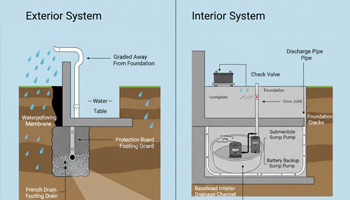
Exterior perimeter drain (French drain): Window well pipes can connect to existing exterior French drain systems running around foundation perimeter. Water collected from wells joins groundwater collected by perimeter drain, flowing to common discharge point.
Interior perimeter drain (WaterGuard, etc.): WellDuct systems connect window wells to interior drainage. All water managed inside, eliminated via sump pump.
System design: Whether exterior or interior drainage, window wells should integrate with overall perimeter drainage rather than operating as isolated systems. Integration provides:
- Reduced installation costs (shared components)
- Simplified maintenance (one system vs multiple)
- Better reliability (redundant capacity)
Complete water management strategy:
Hierarchy of protection (most effective to least):
- Surface water management:
- Proper grading (6″ over 10′ away from foundation)
- Downspout extensions (10’+ from foundation)
- Window well covers
- Swales directing water away from property
- Window well drainage:
- Integrated drain pipes to perimeter systems
- 6-8″ crushed stone beds
- Regular maintenance
- Foundation perimeter drainage:
- Exterior French drains or interior WaterGuard
- Sump pump with battery backup
- Foundation waterproofing membrane (exterior)
- Interior protection:
- Basement waterproofing coatings
- Dehumidification
- Flood alarms and automatic systems
Implementation sequence: Start with surface water management (items 1-2), then perimeter drainage (item 3) if needed, finally interior protection (item 4) if exterior measures insufficient.
When window well fixes aren’t enough:
Indicators of larger problems:
- Window wells flooding despite proper drainage installation
- Water entering basement from multiple locations
- High water table or groundwater pressure
- Foundation cracks or structural issues
- Chronic basement dampness even during dry weather
Comprehensive solutions required:
- Complete perimeter drainage system: $4,000-$8,000
- Exterior foundation waterproofing: $8,000-$15,000+
- Structural foundation repairs: $3,000-$25,000+
- Combination systems addressing all entry points
Professional assessment: If window well drainage corrections don’t solve flooding, comprehensive evaluation by waterproofing specialist necessary identifying all water entry routes and designing integrated solutions.
Reality check: Window well drainage costs $500-$2,000 per well, solves isolated window well flooding problems. If spending $5,000-$8,000 on window well drainage alone without addressing other water sources, you’re likely treating symptoms while ignoring root causes. Step back, evaluate comprehensively, invest in right solutions rather than repeatedly addressing individual problems.
FAQs
Why does my window well keep filling with water?
Window wells flood due to inadequate or clogged drainage systems. Most builders install only 2 inches of gravel without actual drain pipes—water has nowhere to go and accumulates in the well like a bathtub. Even wells with drain pipes clog over 5-10 years from silt and debris if not maintained. Solutions include installing proper drainage (6-8 inches crushed stone with perforated pipe connecting to perimeter drain or daylight discharge), window well covers preventing debris accumulation, and 3-5 year maintenance cleaning gravel and clearing drain pipes.
How much does window well drain installation cost?
Professional window well drainage installation costs $500-$1,500 per well depending on connection type and site complexity. Basic installations connecting to nearby French drains run $400-$800. Connections requiring longer pipe runs to sump basins cost $800-$1,500. Interior WellDuct systems cost $300-$800 per well when connecting to existing WaterGuard systems. DIY installations cost $150-$400 per well for materials (pipe, gravel, fittings) if you provide labor. Four-well installations average $2,000-$6,000 professionally.
What type of gravel should I use in window wells?
Use crushed stone (not river rock) in 3/4-inch to 1.5-inch size, installed to 6-8 inch minimum depth. Crushed stone’s angular shape creates 35-45% void space allowing excellent water flow, while smooth river rock packs tightly with only 20-30% voids—40-60% worse drainage. The 6-8 inch depth provides three functional layers: top 2-3 inches for immediate water storage, middle 2-3 inches filtering silt, and bottom 2-3 inches protecting drain pipe. Builder-standard 2 inches proves inadequate regardless of stone type.
Do I need a window well cover?
Window well covers provide the most cost-effective flooding prevention ($50-$300 per well) by excluding debris that clogs drains and deflecting 60-80% of rain before it enters wells. Metal grate covers prove superior to polycarbonate domes—they maintain ventilation (required for code-compliant habitable spaces), allow water to flow through rather than around edges, and last 15-25 years versus 3-8 years for plastic. Without covers, wells require cleaning 2-4 times annually and drain pipes clog within 3-5 years versus 10-15 years with covers installed.
How do I know if my window well has a drain?
Look at the bottom of your window well. Functional drainage includes visible drainage grate (perforated cover over pipe opening) or catch basin surrounded by 6-8 inches of crushed stone. Test by pouring 5 gallons of water rapidly into the well—proper drainage removes water within 10-15 minutes. If you see only 1-2 inches of gravel on compacted soil with no grate, or water stands for 30+ minutes, you likely have no actual drain pipe. Many builder installations include decorative gravel without functional drainage systems.
Window well flooding proves 90% preventable through proper drainage systems costing $500-$1,500 per well—yet most builders skip these «details» to reduce construction costs by $200-$400 per well, transferring flooding liability entirely to homeowners who face $2,000-$10,000 repair costs after inevitable water damage. The drainage hierarchy spans simple covers ($50-$300 providing 60-80% rain deflection) through exterior drain pipes connecting to perimeter systems ($500-$1,500 permanent solution) to interior WellDuct channels ($300-$800 for retrofit installations avoiding landscaping disruption). Critical specifications include 6-8 inch crushed stone depth (not builder-standard 2 inches), crushed angular stone versus rounded river rock (40-60% better drainage), and metal grate covers versus polycarbonate domes (superior ventilation, drainage, and 3× longer lifespan despite 2× higher cost). However, window well drainage addresses only one water entry point—integrate with comprehensive waterproofing including proper grading, downspout extensions, and perimeter drainage for complete foundation protection.
References
Currently viewing
Window Well Drainage Systems


Urban Flood Mitigation
Urban Flood Mitigation and Foundation Design in Coastal Cities Coastal urban centers face mounting pressure…
Sump Pump Maintenance
Sump Pump Maintenance Guide: Annual Checklist & When to Replace [2025] Sump pump failure rates…

Crawl Space Encapsulation Cost
Crawl Space Encapsulation Cost: Vapor Barrier Installation Guide Your roof collects hundreds of gallons of…
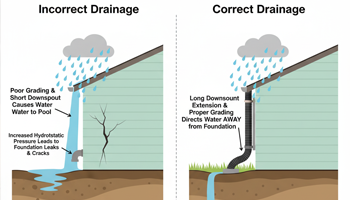
Gutter Drainage & Downspout Extensions
Gutter Drainage & Downspout Extensions: Prevent Foundation Water Damage Your roof collects hundreds of gallons…
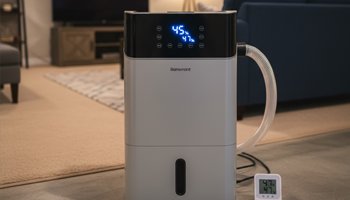
Basement Dehumidifier Sizing
Basement Dehumidifier Sizing Guide: Square Footage & Moisture Level Calculator Choosing the wrong dehumidifier size…
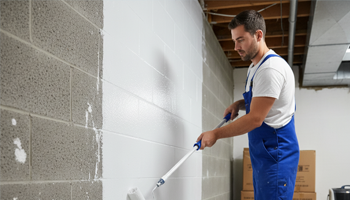
Drylok vs Xypex vs Thoroseal
Drylok vs Xypex vs Thoroseal: Which Basement Waterproofing Paint Actually Works? Basement waterproofing paints promise…
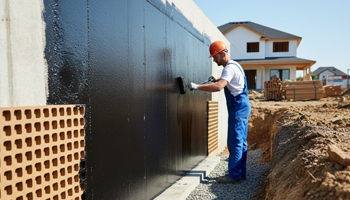
Exterior Basement Waterproofing
Exterior Basement Waterproofing: Complete Excavation Cost & Membrane Installation Guide Exterior basement waterproofing represents the…
Best Sump Pump Systems with Battery Backup
Best Sump Pump Systems with Battery Backup When your power goes out during a severe…
French Drain vs Interior Drainage
French Drain vs Interior Drainage System: Which Protects Your Basement Better? When water threatens your…

Basement Waterproofing Encyclopedia
Basement Waterproofing Encyclopedia: Systems, Methods & Cost Analysis Basement waterproofing isn’t just about keeping your…