
Sump Pump Maintenance Guide: Annual Checklist & When to Replace [2025]
Sump pump failure rates reach 30-40% during major storms—not because the equipment is inherently unreliable, but because homeowners discover problems only when pumps are desperately needed after months or years of neglect. That $400 sump pump protecting your $40,000 finished basement requires 10 minutes of monthly testing, yet 85% of homeowners never test their systems until catastrophic flooding forces awareness of malfunction.
The cruel paradox: sump pumps are «set and forget» devices that absolutely cannot be set and forgotten. They sit dormant 95% of the year in standby mode, then spring into critical action during the once-a-decade storm—except when years of accumulated corrosion, stuck float switches, or dead backup batteries render them useless precisely when most needed. Discovering your sump pump stopped working three years ago while watching basement water rise creates helpless terror matched only by the $5,000-$50,000 cleanup costs that follow.
Here’s the maintenance reality contractors don’t emphasize: the industry-standard «quarterly testing» recommendation proves dangerously inadequate. Monthly testing takes literally 5 minutes—pour 5 gallons of water slowly into the pit, verify pump activation and discharge, confirm automatic shutoff. This simple ritual catches 90% of potential failures before they become flooding disasters, yet most homeowners test annually at best, often never.
The float switch represents the #1 failure point—a $20 component requiring replacement every 2 years that 85% of homeowners never replace until failure. Battery backups provide false security when 5-year-old batteries sit completely dead while homeowners assume protection exists. Discharge lines freeze solid in winter, causing pumps to run continuously while basements flood anyway. These preventable failures share one commonality: they’re caught and corrected through regular testing but catastrophic when discovered during emergency need.
This comprehensive guide delivers month-by-month maintenance protocols preventing failures, explains proper «pour water» testing technique most homeowners execute incorrectly, reveals warning signs predicting imminent pump death, and provides replacement decision frameworks based on usage cycles rather than misleading age-based timelines.
Sump Pump Maintenance Guide: Checklist & When to Replace
Importance of preventive maintenance:
Sump pumps occupy a unique category in home systems—mission-critical equipment operating intermittently with zero redundancy. When needed, they must work perfectly. When they fail, consequences prove severe and immediate.
The stakes:
- Single failure event: $5,000-$25,000 typical flood damage
- Finished basement flooding: $25,000-$75,000+ comprehensive damage
- Secondary losses: Irreplaceable belongings, family heirlooms, valuable electronics
- Insurance complications: Claims may increase rates or result in policy cancellation
The maintenance investment:
- Monthly testing: 5 minutes per session, 60 minutes annually
- Annual comprehensive inspection: 1-2 hours
- Periodic parts replacement: $50-$150 every 2-3 years
ROI perspective: 60 minutes annually prevents $10,000-$50,000 potential damage. The 100:1 to 1000:1 return makes sump pump maintenance among the highest-value home maintenance activities possible.
Why neglect is common: Unlike furnaces requiring annual service or water heaters showing obvious failure symptoms, sump pumps work silently in basements, demanding attention only during emergencies. This invisibility breeds complacency—until the catastrophic failure that could have been prevented with minimal attention.
Average sump pump lifespan (7-10 years):
The widely cited «7-10 year lifespan» requires critical context:
Usage-dependent reality: Sump pump longevity depends on operational cycles, not calendar age.
Cycle-based lifespan:
- Light use (pump runs 3-5 times annually): 15-20 years possible
- Moderate use (pump runs monthly): 10-15 years typical
- Heavy use (pump runs weekly or daily): 5-7 years realistic
- Continuous use (high water table, constant discharge): 3-5 years maximum
Quality factors:
- Budget pumps ($200-$400): 10,000-20,000 cycle rating
- Mid-grade pumps ($400-$700): 30,000-50,000 cycle rating
- Premium pumps ($700-$1,200): 75,000+ cycle rating
Better metric than age: Track pump cycles. If your pump runs 100 times annually, a 20,000-cycle budget pump lasts approximately 200 years of operation time—but calendar degradation (corrosion, seal deterioration, motor degradation from sitting idle) limits actual lifespan to 7-10 years regardless of cycles.
Proactive replacement recommendation: Replace pumps at 7-8 years even if functioning—before inevitable age-related failure occurs during critical need.
Cost of flood damage vs maintenance:
Flood damage costs (single event):
Minor flooding (2-3 inches water, unfinished basement):
- Water extraction: $500-$1,500
- Cleaning and sanitizing: $300-$800
- Dehumidification: $200-$500
- Lost storage items: $500-$2,000
- Total: $1,500-$4,800
Moderate flooding (6-12 inches water, partially finished):
- Water extraction: $1,000-$3,000
- Carpet and padding removal: $800-$2,500
- Drywall repair (lower 2 feet): $1,500-$4,000
- Baseboard and trim: $600-$1,500
- Mold remediation: $1,000-$3,000
- Lost belongings: $2,000-$5,000
- Total: $6,900-$19,000
Major flooding (24+ inches water, finished basement):
- Professional water extraction: $2,000-$5,000
- Complete flooring replacement: $3,000-$8,000
- Drywall replacement (floor to 3+ feet): $4,000-$10,000
- Electrical system damage: $1,000-$5,000
- HVAC system damage: $2,000-$8,000
- Comprehensive mold remediation: $3,000-$8,000
- Complete contents loss: $10,000-$30,000
- Total: $25,000-$74,000
Maintenance costs (10-year period):
DIY maintenance:
- Monthly testing supplies: $0
- Periodic cleaning supplies: $50
- Float switch replacement (×5): $100
- Impeller cleaning tools: $30
- Total 10 years: $180
Professional-assisted maintenance:
- Annual professional inspection: $100-$250
- 10-year cost: $1,000-$2,500
- Plus DIY monthly testing: $180
- Total 10 years: $1,180-$2,680
Parts replacement over 10 years:
- Replacement pump (at year 8): $600-$1,200
- Battery backup replacement (every 3 years): $300-$600
- Check valve replacement: $30-$60
- Discharge fittings: $50-$100
- Total parts: $980-$1,960
Complete 10-year cost: $1,160-$4,640 (DIY plus parts)
Comparison: Spending $4,640 over 10 years to prevent potential $25,000-$74,000 single-event damage represents 5:1 to 16:1 cost avoidance. Even single minor flooding event ($1,500-$4,800) exceeds entire decade of maintenance costs.
How Sump Pumps Work: Basic Operation
Understanding operation guides effective maintenance and troubleshooting.
Float switch mechanism:
The float switch represents the sump pump’s automation—the component that determines when the pump activates and deactivates.
Types of float switches:
Tethered float: Ball float connected to pump via flexible tether. As water rises, float rises until reaching angle triggering switch closure. Pump activates, water level drops, float descends, pump deactivates.
Advantages: Reliable, simple mechanism, easy to replace Disadvantages: Can become tangled or stuck against pit walls, requires adequate pit diameter for movement
Vertical float: Cylindrical float sliding up/down vertical rod attached to pump. Rising water lifts float until internal switch triggers.
Advantages: More compact than tethered design, works in smaller pits Disadvantages: Can stick on rod due to debris or corrosion
Diaphragm/pressure switch: No external float—senses water pressure at pump intake, activating at preset pressure indicating specific water depth.
Advantages: No moving float to malfunction, works in any pit size Disadvantages: More expensive, can clog from debris, requires periodic cleaning
Electronic float: Solid-state sensor detecting water level electronically.
Advantages: Extremely reliable, no mechanical wear, precise control Disadvantages: Most expensive option, found primarily in premium/smart pumps
Float switch is the #1 failure point: Approximately 60% of sump pump failures trace to float switch problems—stuck floats, corroded switches, tangled tethers, or mechanical wear. This $20-$40 component deserves replacement every 2-3 years as preventive maintenance rather than waiting for failure.
Primary vs backup pump systems:
Primary pump: Main pump handling routine water removal. Operates on AC power (120V or 240V), sized for typical water inflow rates.
Backup pump: Secondary pump activating only when primary fails or during power outages. Operates on battery power (12V DC typically), smaller capacity than primary but sufficient for emergency operation.
System operation:
- Water enters sump pit
- Primary pump activates at set level (typically 8-12 inches depth)
- Primary removes water, pit level drops
- If primary fails or power lost, water continues rising
- Backup activates at higher level (typically 12-18 inches depth)
- Backup removes water preventing flooding
- When power/primary restored, primary resumes normal operation
Critical requirement: Backup systems must be tested regularly—batteries sit unused for months/years, gradually losing charge or developing internal failures invisible until emergency need.
Discharge pipe and check valve:
Discharge pipe: PVC pipe (typically 1.5-inch to 2-inch diameter) routing water from pump to discharge point 10-20+ feet from foundation.
Check valve: One-way valve installed in discharge line 6-12 inches above pump. Allows water flow upward during pumping, prevents backflow when pump stops.
Check valve function: Without check valves, water in vertical discharge pipe flows backward when pump stops, refilling pit. This causes:
- Unnecessary pump cycling (restarting to remove backflowed water)
- Shortened pump lifespan from excessive cycles
- Wasted energy
Check valve failure symptoms: Pump cycling every 2-3 minutes regardless of actual water inflow. Check valve stuck open or damaged allows continuous backflow, triggering constant pump operation.
Maintenance: Check valves wear over 5-7 years. Internal flapper degrades, preventing complete closure. Proactive replacement prevents excessive cycling damage to primary pump.
Sump basin and pit requirements:
Minimum dimensions:
- Depth: 24 inches minimum (code requirement in most jurisdictions)
- Diameter: 18 inches minimum for tethered float systems
- Volume: Approximately 15-20 gallons capacity before pump activation
Function: Pit provides water storage while pump activates, allowing efficient operation cycles rather than constant on/off toggling.
Proper installation: Pit bottom should have 2-4 inches of gravel allowing groundwater entry while preventing soil infiltration. Some installations include perforated liner allowing water entry through sides as well as bottom.
Pit cover: Code-required in some jurisdictions, recommended everywhere. Benefits:
- Prevents child access (safety hazard)
- Reduces odors from standing water
- Prevents debris entry
- Reduces noise
- Limits moisture evaporation into basement
Submersible vs pedestal pump differences:
Submersible pumps:
- Motor and pump sealed in waterproof housing
- Entire unit sits at pit bottom, submerged during operation
- Quieter operation (water dampens noise)
- More expensive ($200-$600 typical)
- 7-10 year lifespan
- Easier to conceal (pit cover flush with floor)
Pedestal pumps:
- Motor mounted on pedestal above pit, pump intake at bottom
- Motor never submerged (unless catastrophic flooding)
- Louder operation (motor exposed)
- Less expensive ($150-$400 typical)
- 10-15 year lifespan (motor not exposed to moisture)
- More visible (pedestal extends above pit)
Performance: Both types perform adequately when properly sized. Submersible pumps dominate residential installations due to quieter operation and aesthetic advantages despite higher cost.
Monthly Sump Pump Maintenance Tasks
Monthly testing catches 90% of failures before they become flooding disasters.
Visual inspection (standing water, odors):
Remove pit cover (if installed) and observe:
Normal conditions:
- Minimal standing water (bottom 2-4 inches)
- Clear water without debris
- No strong odors
- Pump securely positioned
- Discharge pipe connections intact
Warning signs:
- High standing water: Indicates pump not activating or insufficient capacity
- Debris accumulation: Leaves, sediment, or foreign objects requiring removal
- Strong odors: Stagnant water breeding bacteria, or sewage smell indicating improper connection
- Rust or corrosion: Visible on pump housing, float components, or pit liner
- Oil sheen on water: Indicates motor seal failure allowing oil leakage
Power connection verification:
Check electrical connections:
- Pump plugged into GFCI outlet (code requirement)
- GFCI not tripped
- No damaged cords or exposed wiring
- Backup power (if equipped) showing charge indicator light
Critical: Never use extension cords for permanent sump pump power. Direct outlet connection required for safety and reliability.
Test GFCI: Press test button, outlet should trip. Reset. This verifies GFCI function protecting against electrical shock hazards.
Pour-water test procedure (5 gallons):
The essential monthly test—proper technique matters:
Step-by-step procedure:
- Fill 5-gallon bucket with water (specific volume important—not random amount)
- Pour slowly over 30-60 seconds, simulating natural water entry rather than sudden dump. Rapid pouring can cause splashing, mess, and doesn’t replicate real conditions.
- Observe float activation: Watch float rise with water level. Note the water depth when pump activates—should be consistent month-to-month (typically 8-12 inches).
- Listen to motor: Smooth, consistent humming indicates normal operation. Grinding, buzzing, or rattling signals problems requiring investigation.
- Verify discharge: Pump should remove water to nearly empty pit (bottom 2-4 inches remaining). Incomplete drainage suggests check valve failure or discharge obstruction.
- Confirm auto-shutoff: Pump should stop automatically when water drops to appropriate level. Float descends, switch opens, motor stops.
- Record results: Note date, whether pump functioned normally, any concerns. Simple log (notebook or phone app) tracks performance over time.
Why this test matters: Monthly testing identifies:
- Float switches stuck in on/off positions
- Motor issues before complete failure
- Check valve degradation
- Discharge pipe clogs
- Pump capacity decline
Common mistakes:
- Pouring too quickly (doesn’t simulate real conditions)
- Using insufficient water volume (pump may not activate)
- Not observing complete cycle (missing auto-shutoff failure)
- Skipping monthly frequency (problems develop between tests)
Float switch movement check:
Beyond automated testing, manual float verification:
Tethered float systems:
- Lift float manually to vertical position
- Pump should activate
- Lower float to horizontal position
- Pump should deactivate
Stuck float diagnosis:
- Float won’t rise: Tangled tether, debris obstruction, or corroded pivot
- Float rises but pump doesn’t activate: Failed switch inside float
- Pump won’t deactivate: Switch stuck closed
Vertical float systems:
- Lift float up rod to maximum height
- Pump should activate
- Lower float to bottom
- Pump should deactivate
Stuck float causes: Debris on rod, corrosion preventing smooth sliding, or internal switch failure.
Unusual noise monitoring:
Normal sounds: Smooth humming or gentle whirring during operation. Water flowing through discharge pipe. Slight vibration.
Warning sounds:
Grinding noise: Impeller hitting debris or damaged impeller blades. Requires immediate cleaning or impeller replacement.
Loud buzzing: Motor struggling against resistance—bearing failure, impeller clog, or motor decline. Indicates imminent failure.
Rattling/knocking: Loose impeller, worn bearings, or pump not secured properly in pit. Can cause rapid deterioration if not addressed.
Continuous running without stopping: Not a sound issue but operational—indicates float stuck on, check valve failure, or plumbing leak refilling pit continuously.
Silence when should be running: Complete motor failure—most critical warning as pump becomes non-functional.
Month-to-month comparison: Any change in operational noise from previous month warrants investigation. Motors don’t suddenly become louder without underlying problems.
Quarterly Maintenance Checklist
Deeper inspection every 3 months supplements monthly testing.
Unplugging and cleaning sump pit:
Safety first: Always unplug pump before putting hands in pit. Removes electrocution risk from damaged wiring or compromised motor housing.
Cleaning procedure:
- Unplug pump from GFCI outlet
- Remove standing water beyond what pump can evacuate (shop vacuum or bucket)
- Remove pump from pit (submersible pumps—disconnect discharge pipe, lift out)
- Inspect pit interior:
- Remove accumulated sediment from bottom
- Clear debris from walls
- Check for cracks or damage to pit liner
- Verify gravel bed intact (if present)
- Clean pit thoroughly: Scrub walls and bottom removing algae, mineral buildup, or slime. Rinse with clean water, remove rinse water.
- Reinstall pump: Position properly, reconnect discharge, restore power.
- Test operation: Pour 5 gallons verifying normal function after reassembly.
Frequency: Quarterly cleaning prevents debris accumulation that can clog intake screens or interfere with float operation.
Inlet screen cleaning procedure:
Sump pump intakes have screens preventing debris entering pump mechanism.
Access: Screens typically located at bottom of submersible pumps or at intake foot of pedestal pumps.
Cleaning:
- With pump removed from pit, locate intake screen
- Rinse screen under running water
- Use soft brush removing stubborn debris
- Inspect for damage—torn screens allow debris entry causing impeller damage
- Replace damaged screens immediately
Why it matters: Clogged screens reduce pump capacity, increase motor load, and shorten lifespan. Clear screens ensure maximum water flow and efficient operation.
Debris removal from basin:
Common debris sources:
- Soil and sediment entering with groundwater
- Leaves and organic material (if pit not properly sealed)
- Construction debris from home renovations
- Deteriorated pit liner material
Removal procedure: During quarterly cleaning, manually remove all visible debris. Shop vacuum effective for sediment. Hand removal for larger items.
Prevention: Proper pit cover and sealed lid dramatically reduce debris entry. Worth investment for maintenance reduction.
Check valve inspection:
Location: Discharge pipe, typically 6-12 inches above pump.
Inspection procedure:
- External inspection: Look for leaks around check valve connections
- Listen during operation: Rushing water sound followed by sudden stop (valve closing) indicates normal function
- Observe post-operation: If pump cycles on within 60-90 seconds, check valve may be failing (allowing backflow)
Testing check valve:
- During pump operation, mark water level on discharge pipe above check valve
- When pump stops, mark should remain (water held by check valve)
- If water level drops, valve failing
Replacement schedule: Every 5-7 years proactively, or immediately if failure suspected.
Discharge pipe verification:
Interior inspection (quarterly):
- Verify all connections tight—no leaks at pump connection or check valve
- Inspect visible pipe sections for cracks, damage
- Ensure proper support—pipe shouldn’t strain pump connections
Exterior inspection (annually—see annual section):
- Trace discharge line to termination point
- Verify proper grade maintaining downward flow
- Check termination point for erosion or damage
GFCI outlet confirmation:
Monthly verification: Test GFCI function by pressing test button, then reset.
Quarterly full inspection:
- Verify outlet box secure to wall
- Check for moisture or water damage around outlet
- Confirm outlet located above potential water levels
- Test with multimeter if electrical competence exists (verify 120V supply)
GFCI importance: Ground fault circuit interrupters prevent electrocution from electrical faults. Required by code for sump pump installations. Failed GFCIs may prevent pump operation even when pump functional—test regularly ensuring protective function without compromising pump power.
Annual Comprehensive Maintenance
Thorough once-yearly inspection prevents long-term degradation.
Complete System Inspection
Documentation:
- Photograph pump installation for future reference
- Record pump model/serial number
- Note installation date if known
- Document any repairs or replacements
Comprehensive visual examination:
- Pump housing condition (corrosion, cracks, leaks)
- All connections and fittings (tightness, leaks)
- Float switch condition (corrosion, mechanical wear)
- Discharge line throughout visible length
- Pit condition (cracks, settling, liner damage)
- Electrical connections and wiring condition
Performance testing:
- Timed pump cycle (measure seconds from activation to shutoff)
- Compare to baseline (should remain consistent)
- Extended runtime indicates capacity decline
Float Switch Testing and Replacement (Every 2 Years)
Annual testing (beyond monthly tests):
Full range-of-motion test:
- Manually move float through complete range
- Verify activation and deactivation at consistent points
- Check for sticking, hesitation, or irregular movement
- Inspect tether/rod for wear or damage
Resistance testing (requires multimeter):
- Disconnect power and float switch wiring
- Measure resistance across switch contacts in both positions
- Should show near-zero resistance when closed, infinite when open
- Intermediate readings indicate degraded contacts
Replacement schedule: Every 2-3 years regardless of apparent function. Float switches represent the most common failure point—$20-$40 proactive replacement prevents $10,000+ flood damage.
Replacement procedure:
- Purchase compatible float switch (match voltage, current rating)
- Disconnect old switch (electrical and mechanical connections)
- Install new switch following manufacturer instructions
- Test thoroughly before returning to service
Impeller Cleaning
The impeller (pump’s rotating component) clogs over time despite inlet screens.
Removal and inspection (annual):
- Remove pump from pit and disconnect discharge pipe
- Access impeller: Remove bottom cover plate (submersible) or disconnect impeller housing (pedestal)
- Inspect blades: Look for:
- Debris wrapped around impeller
- Damaged or worn blades
- Corrosion or pitting
- Blade looseness on shaft
- Clean thoroughly:
- Remove all debris (string, hair, sediment)
- Scrub with wire brush removing mineral deposits
- Rinse with clean water
- Reassemble and test
Why it matters: Clogged impellers reduce pump capacity by 30-50%. Annual cleaning maintains full pumping performance.
Replacement indicators: Damaged blades, significant wear, or corrosion warrant impeller replacement ($30-$80 for part, or may indicate pump replacement time).
Battery Backup Testing
Annual comprehensive test (beyond quarterly power-off tests):
Full discharge test:
- Disconnect primary pump power
- Allow pit to fill until backup activates
- Monitor backup pump operation for full cycle
- Measure discharge time (should match specifications)
- Verify automatic primary pump resumption when power restored
Battery condition assessment:
- Visual inspection (swelling, corrosion, leaks)
- Voltage test with multimeter (12.6V+ for healthy 12V battery)
- Load test (many auto parts stores test batteries free)
Charging system verification:
- Check charge indicator lights weekly
- Verify battery voltage increases after charging period
- Test automatic switch from charge to discharge mode
Replacement schedule: Every 2-3 years for wet-cell batteries, 3-5 years for AGM batteries, regardless of apparent condition. Battery failure during power outage creates false security—you believe you’re protected but aren’t.
Discharge Line Exterior Inspection
Trace complete discharge route:
Inspection points:
- Penetration through basement wall (check for damage, air leaks)
- Above-ground sections (frost heave damage, settling)
- Underground sections (visible settling, vegetation indicating leaks)
- Termination point (erosion, proper discharge 10-20 feet from foundation)
Specific concerns:
Freeze potential: Any discharge line sections above frost line in cold climates require:
- Heat tape installation
- Insulation wrapping
- Sloped drainage preventing water standing
Clogs: Discharge lines clog from:
- Tree roots growing into underground sections
- Sediment accumulation in low spots
- Frozen water (winter)
Testing flow:
- Run pump while observing discharge point
- Water should flow freely, consistently
- Reduced flow indicates partial clog
- No flow with pump running indicates complete blockage
Weep Hole Cleaning
Some sump pumps include weep holes—small drilled holes in discharge pipe between pump and check valve.
Purpose: Relieves trapped pressure when pump stops, preventing check valve damage. Also prevents airlock situations.
Location: 1/8-inch hole in discharge pipe, typically 2-4 inches above pump outlet.
Maintenance: Verify hole not clogged with debris or mineral deposits. Clear with wire or small drill bit if blocked.
If missing: Some installations lack weep holes. Not critical for all systems but beneficial for check valve longevity.
Professional Inspection Considerations
When professional inspection worthwhile:
Situations favoring professional service ($100-$250):
- Unfamiliarity with pump systems (first-year homeownership)
- Pump approaching 5-7 years age (professional assessment of remaining life)
- Recurrent problems despite maintenance
- Warranty requirements (some warranties require professional annual service)
- Peace of mind value exceeds cost
What professionals provide beyond DIY:
- Amperage draw measurement (indicates motor health)
- Check valve pressure testing
- Discharge line camera inspection
- Pump capacity verification against home requirements
- Documentation for warranty or insurance claims
DIY capability: Most homeowners with basic mechanical aptitude can perform all maintenance tasks described. Professional inspection optional but not mandatory if diligent about monthly/quarterly tasks.
Battery Backup System Maintenance
Backup systems require maintenance equal to primary pumps—false security from neglected backups proves dangerous.
Testing procedure (unplug primary):
Quarterly backup activation test:
- Preparation: Ensure backup battery fully charged (check indicator)
- Simulate primary failure: Unplug primary pump from outlet
- Fill pit: Pour water until pit level rises to backup activation point (typically 12-18 inches—higher than primary activation)
- Verify backup activation: Backup pump should start automatically when level reached
- Monitor operation:
- Listen for normal motor sound
- Verify water discharge
- Time cycle duration
- Confirm automatic shutoff
- Restore primary: Plug in primary pump, verify normal resumption
Red flags:
- Backup doesn’t activate (battery dead, switch failure)
- Weak or slow operation (battery degraded)
- Short runtime before stopping (insufficient battery capacity)
- Failure to automatically shutoff (switch problem)
Battery charging verification:
Weekly check: Simply observe charging indicator light. Most systems have LED showing:
- Green: Battery charged/charging
- Yellow: Low charge
- Red: Critical/fault condition
Monthly voltage check (if accessible):
- Measure battery voltage with multimeter
- Fully charged 12V battery: 12.6-12.8V
- Partially charged: 12.2-12.4V
- Discharged: Below 12.0V
Charging system problems: If battery never reaches full charge despite continuous connection, charging system may be failing. Professional diagnosis required.
Replacement schedule (every 2-3 years):
Wet-cell batteries: 2-3 years typical lifespan regardless of usage. Internal degradation occurs even with minimal cycling.
AGM (absorbed glass mat) batteries: 3-5 years typical lifespan. More expensive but longer-lasting and maintenance-free.
Proactive replacement: Replace batteries on schedule even if «seem fine.» Battery failure during power outage—exactly when needed—negates entire backup investment.
Cost perspective:
- Wet-cell battery replacement: $80-$150
- AGM battery replacement: $150-$300
- Flooded basement from failed backup: $5,000-$50,000
Clear math favoring proactive replacement.
AGM vs wet-cell battery care:
Wet-cell batteries (traditional lead-acid):
- Require periodic water level checking
- Add distilled water as needed (never tap water)
- More susceptible to sulfation from incomplete charging
- Lower cost, shorter lifespan
AGM batteries:
- Sealed—no water level maintenance
- Better performance in cold temperatures
- Lower self-discharge rate (maintains charge longer)
- Higher upfront cost, longer lifespan
Professional recommendation: AGM batteries worth premium for battery backup applications. Set-and-forget maintenance and superior reliability justify cost.
Backup pump activation testing:
Beyond quarterly activation tests, annual stress test:
Extended runtime test:
- Disconnect primary pump
- Introduce water continuously, forcing backup to cycle multiple times
- Monitor for:
- Battery voltage decline rate
- Pump capacity remaining consistent
- No overheating
- Proper charging after test completion
Capacity verification: Quality backup systems should run 6-8 hours on battery charge during typical pump cycling (not continuous operation). Test verifies this capacity remains adequate.
Common Sump Pump Problems and Solutions
Pump Won’t Turn On (Float Stuck, No Power)
Diagnosis checklist:
Check power supply:
- Pump plugged in securely
- GFCI not tripped (reset if needed)
- Circuit breaker not tripped
- Outlet has power (test with multimeter or lamp)
Check float switch:
- Float not tangled or stuck against pit wall
- Float moves freely through range of motion
- Float not filled with water (indicates damage)
- Tether not wrapped around pump
Check pump motor:
- Humming sound when powered but not running (stuck impeller)
- Complete silence (motor failure)
- Thermal overload tripped (let cool 30 minutes, retry)
Solutions by cause:
- Power issue: Restore power, replace tripped GFCI/breaker, repair outlet
- Float stuck: Reposition float, remove obstructions, replace if damaged ($20-$40)
- Impeller stuck: Remove pump, clean impeller, remove debris
- Motor failure: Replace pump (motor replacement typically not cost-effective)
Pump Runs Continuously (Faulty Switch, Check Valve Failure)
Continuous operation causes:
Float switch stuck «on»:
- Debris preventing float descent
- Corroded switch contacts stuck closed
- Tether tangled holding float up
Check valve failure:
- Water flows backward after pump stops
- Refills pit triggering immediate restart
- Creates endless cycle
Plumbing leak:
- Discharge line leak allows water recirculation
- Foundation crack allows continuous water entry
Undersized pump:
- Water inflow exceeds pump capacity
- Pump runs constantly but can’t keep up
Diagnosis:
- Observe pump operation cycle
- If pump runs briefly then restarts immediately: Check valve failure likely
- If pump runs continuously with water level staying high: Capacity/plumbing issue
- Manually lower float—if pump doesn’t stop: Float switch problem
Solutions:
- Float issue: Clean/replace float switch
- Check valve: Replace check valve ($15-$40)
- Plumbing leak: Repair leak points
- Insufficient capacity: Install larger pump or second pump
Pump Cycles Too Frequently (Undersized, Improper Float Setting)
Definition: Pump runs every 2-5 minutes regardless of rainfall or groundwater conditions.
Causes:
Check valve failure: Most common cause—backflow creates artificial demand.
Improper float setting: Float activates at too-low level, deactivates at too-high level, creating tight cycle.
Undersized pit: Insufficient storage capacity—pump cycles frequently to manage inflow.
Discharge line issue: Restricted discharge causes back pressure, triggering cycling.
Solutions:
- Check valve: Replace immediately
- Float adjustment: Adjust tethered float length or vertical float trigger points
- Pit size: Install larger pit if feasible
- Discharge restriction: Clear clogs, verify proper pipe sizing (minimum 1.5-inch)
Strange Noises (Grinding, Buzzing = Motor Issues)
Noise interpretation:
Grinding:
- Cause: Debris in impeller, damaged impeller blades, bearing failure
- Action: Immediate cleaning or impeller replacement required
- Urgency: High—continued operation causes rapid motor damage
Loud buzzing:
- Cause: Motor struggling—seized impeller, bearing failure, motor decline
- Action: Motor replacement (new pump) usually required
- Urgency: High—motor near complete failure
Rattling/knocking:
- Cause: Loose impeller, worn bearings, unsecured pump vibrating
- Action: Tighten impeller, secure pump properly, or replace if bearing wear
- Urgency: Moderate—address before damage worsens
Clicking:
- Cause: Check valve flutter, float switch chattering
- Action: Usually minor—monitor, replace components if persistent
- Urgency: Low
Silence when should operate:
- Cause: Complete motor failure, electrical fault
- Action: Replace pump immediately
- Urgency: Critical—no flood protection
Pump Runs But No Discharge (Impeller Clog, Pipe Blockage)
Diagnosis:
Check discharge point: Go outside, verify water exiting discharge pipe. If no water:
Impeller completely clogged:
- Pump motor runs (electrical connection good)
- No water movement (impeller not spinning or blocked)
Discharge pipe frozen (winter):
- Common in cold climates with improper installation
- Ice blocks pipe—pump runs but water can’t exit
Discharge pipe clog:
- Sediment, roots, or debris blocking pipe
- Partial clogs reduce flow, complete clogs prevent all flow
Check valve stuck closed:
- Valve closed when should open
- Prevents water flow
Solutions:
- Impeller clog: Remove pump, clean impeller thoroughly
- Frozen discharge: Thaw line (heat gun, warm water), install heat tape, improve insulation
- Pipe clog: Snake discharge line or professional hydro-jetting
- Check valve: Replace valve
Signs Your Sump Pump Needs Replacement
Age: 7-10 Years Typical Lifespan
Age-based replacement timeline:
Under 5 years: Replacement usually unnecessary unless obvious failure. Focus on maintenance.
5-7 years: Begin monitoring more carefully. Consider proactive replacement if pump heavily used (weekly operation) or showing warning signs.
7-8 years: Strong candidate for proactive replacement. Waiting risks emergency failure during storm.
8-10 years: Replace regardless of apparent function. Age-related degradation makes failure likely—better to replace on your schedule than under emergency flooding conditions.
Over 10 years: Living on borrowed time. Immediate replacement recommended even if currently functional.
Exception: Lightly used pumps (3-5 cycles annually) in well-maintained systems may function adequately beyond 10 years. Monitor closely, have backup pump available.
Frequent Repairs Required
Red flag pattern: Repairs needed more than once yearly. Examples:
- Float switch replaced twice in 3 years
- Impeller cleaning required quarterly (should be annual)
- Check valve replacement annually
- Multiple motor thermal overloads
Cost analysis: If annual repair costs approach 30-50% of new pump cost, replacement more economical than continued repairs.
Underlying issue: Frequent problems indicate systemic degradation—fixing individual components doesn’t address overall pump decline. New pump provides fresh start with years of reliable service.
Excessive Runtime or Cycling
Warning signs:
Longer runtime: Pump that previously ran 30 seconds per cycle now runs 60+ seconds indicates:
- Reduced pump capacity
- Motor weakening
- Impeller wear
- Discharge restriction
More frequent cycling: Pump running every 5-10 minutes (beyond check valve issues) suggests capacity insufficient for demand.
Continuous operation: Never stops running indicates critical failure—immediate replacement necessary.
Visible Rust or Corrosion
Inspection points:
Pedestal pumps: Visible rust on motor housing, shaft, or connecting hardware indicates age and moisture exposure. Surface rust acceptable, but pervasive corrosion signals imminent failure.
Submersible pumps: Housing corrosion, especially around seams and electrical connections. Corroded housings risk water infiltration causing electrical failures.
Float components: Corroded float switches or mechanisms indicate age-related deterioration.
Replacement triggers: Extensive rust affecting structural components, flaking rust indicating advanced corrosion, or rust at electrical connection points.
Motor Noise Changes
Gradual changes over months/years:
- Pump becomes noticeably louder
- New noises develop (rattling, grinding, buzzing)
- Smooth operation becomes rough or irregular
Comparison baseline: Record pump sound during maintenance. Month-to-month comparison detects gradual deterioration invisible in single observation.
Motor decline: Bearing wear, winding deterioration, or mechanical loosening cause noise changes. These issues worsen progressively—early detection allows planned replacement before emergency failure.
Reduced Pumping Capacity
Measurement:
- Time pump cycles during monthly tests
- Compare to baseline (initial installation or previous years)
- 25%+ increase in runtime indicates significant capacity decline
Causes: Impeller wear, motor power reduction, or plumbing restrictions. Even with maintenance, pumps gradually lose capacity over years.
Decision point: When pump no longer adequately handles typical water inflow, replacement necessary before capacity proves insufficient during heavy storm.
Basement Flooding Despite Operation
Critical failure: Pump runs but basement floods anyway indicates:
- Completely inadequate capacity for water volume
- Discharge line frozen/blocked (pump works, water goes nowhere)
- Severely degraded pump moving insufficient water
Immediate action: Install backup/supplemental pump immediately, then address primary pump replacement once emergency resolved.
Discharge Line Maintenance
Minimum 10-20 feet from foundation:
Proper discharge distance: Water must exit 10 feet minimum from foundation, 15-20 feet preferred. Shorter distances allow water to infiltrate back toward foundation, creating circular problem where sump pump handles water that shouldn’t be reaching foundation.
Verification: Measure from foundation to discharge point. If under 10 feet, extend discharge line further. This may require:
- Additional underground PVC installation
- Routing to different discharge location
- Connection to storm sewer (if code permits)
Winter freeze prevention:
The freeze problem: Discharge pipes above frost line freeze solid during winter. Pump runs continuously trying to discharge water that can’t exit—basement floods despite functional pump.
Solutions:
Proper installation (best):
- Bury discharge line below frost line (30-48 inches depth in cold climates)
- Ensures year-round drainage without intervention
Heat tape (retrofit):
- Electric heat tape wrapped around above-ground discharge sections
- Prevents freezing in exposed areas
- Requires electrical connection and ongoing operating cost ($5-$15 monthly)
- Reliable when properly installed and maintained
Seasonal disconnect (manual intervention):
- Disconnect above-ground discharge sections in fall
- Allow water to discharge at foundation wall penetration
- Reconnect in spring
- Requires close monitoring—forgotten disconnection causes problems
Freeze-proof discharge (specialized solution):
- Special discharge assemblies with automatic freeze protection
- More expensive ($150-$400) but reliable
- Professional installation recommended
Clog inspection and clearing:
Annual inspection: Trace complete discharge line checking for:
- Underground settling creating low spots (water accumulation, freeze risk)
- Tree root infiltration (visible bulging, reduced flow)
- Sediment accumulation in low spots
- Discharge point erosion or blockage
Clearing methods:
- High-pressure flush: Garden hose full pressure through discharge line
- Plumber’s snake: Mechanical clearing of clogs
- Professional hydro-jetting: High-pressure water service ($150-$300) for stubborn clogs
Pop-up emitter cleaning:
Pop-up emitters (discharge point covers):
- Sit flush with ground when closed
- Pop up under water pressure to discharge
- Close when drainage stops
Maintenance:
- Remove debris around emitter (leaves, grass clippings)
- Lift emitter top, clear accumulated sediment
- Verify smooth operation—should pop up easily under water pressure
- Replace if damaged ($15-$25)
Downhill drainage verification:
Gravity requirement: Discharge lines must slope downward continuously from pump to termination. Any uphill sections cause water accumulation, reduced flow, and potential freezing.
Verification:
- Place level at discharge pipe exit from house
- Trace to termination point
- Every section should show downward slope
- Minimum 1/8-inch per foot slope recommended
Correction: If uphill sections discovered, reroute discharge or install booster pump (rare necessity).
Sump Pit Maintenance
Size requirements (24″ deep, 18″ wide minimum):
Code minimums: Most jurisdictions require:
- 24-inch minimum depth
- 18-inch minimum diameter
- Adequate for pump placement and float operation
Functional considerations: Larger pits provide:
- Greater water storage (reduces cycling frequency)
- More room for float movement
- Easier maintenance access
- Buffer capacity during high-inflow periods
Undersized pits: Common in older homes (16-inch depth, 12-inch diameter). Consider upgrading during pump replacement if frequent cycling or capacity issues exist.
Debris and sediment removal:
Quarterly cleaning (described earlier) prevents buildup, but annual deep cleaning thorough:
- Remove all water with shop vacuum or pump
- Remove pump from pit
- Vacuum or shovel sediment accumulated at bottom
- Scrub walls removing algae, mineral deposits, slime
- Inspect gravel bed (if present)—replace if excessively contaminated
- Rinse thoroughly, remove rinse water
- Reinstall pump and test
Odor prevention (dry season water):
Standing water odors: Stagnant water in rarely-used pits develops bacterial growth causing musty or sewage-like odors.
Prevention:
- Pit cover: Sealed lid contains odors
- Bleach treatment: Pour 1 cup bleach in pit monthly during dry season (kills bacteria)
- Fresh water flush: Pour clean water through system monthly maintaining freshness
- Sump pump deodorizer: Commercial products ($10-$20) reduce odor-causing bacteria
Sewage smell caution: Strong sewage odor may indicate improper connection of sewage line to sump pit. This is code violation and health hazard—requires professional correction immediately.
Pit cover importance:
Benefits:
- Safety—prevents child/pet access to water hazard
- Odor containment
- Noise reduction
- Debris prevention
- Radon gas control (in radon-prone areas)
Requirements: Some jurisdictions require covers by code. Even where optional, covers strongly recommended for benefits listed.
Cost: $30-$100 for quality covers with access port for maintenance.
When to replace damaged pit:
Replacement indicators:
- Cracks allowing soil infiltration
- Severe corrosion (metal pits)
- Settling or separation from floor
- Inadequate size for modern pumps
- Missing lid/cover with no way to install
Replacement cost: $300-$800 including new pit liner, installation, and restoration of surrounding area. Typically combined with pump replacement for efficiency.
Testing Procedures: Step-by-Step
Monthly test: pour 5 gallons, verify activation:
Already covered in monthly maintenance section—this represents absolute minimum testing:
- Fill 5-gallon bucket
- Pour slowly (30-60 seconds)
- Observe activation
- Verify discharge
- Confirm auto-shutoff
- Record results
Time requirement: 5 minutes. No excuses for skipping.
Quarterly test: full system operation:
Beyond basic activation, quarterly testing includes:
Comprehensive function test:
- Pour 10 gallons (double volume)—tests pump capacity and cycling
- Monitor complete operation: Activation, pumping, shutoff, float return
- Time cycle duration: Baseline comparison for capacity tracking
- Check discharge flow: Verify normal discharge volume at termination point
- Inspect all components: Visual check during operation for leaks, unusual noise, vibration
- Test backup (if equipped): Unplug primary, verify backup activates
Annual test: backup power engagement:
Complete backup system test (detailed earlier):
- Disconnect primary pump power
- Fill pit until backup activates
- Monitor full backup operation cycle
- Verify adequate capacity and runtime
- Restore primary power
- Verify automatic return to normal operation
Float switch full range of motion:
Annual verification:
- Manually operate float through complete range (bottom to top)
- Verify consistent activation/deactivation points
- Check for binding, sticking, or hesitation
- Inspect mechanical connections for wear
- Test electrical contacts (multimeter, if capable)
Timer tests for expected runtime:
Baseline establishment:
- During first year, time multiple pump cycles
- Calculate average runtime (typically 20-45 seconds)
- Record as baseline
Ongoing comparison:
- Time cycles during each test
- Compare to baseline
- 25%+ increase indicates capacity decline
- 50%+ increase suggests imminent failure
Value: Runtime tracking provides objective pump health metric—unlike subjective noise/appearance assessments, runtime data quantifies performance decline.
Professional Maintenance vs DIY
When to call a professional:
DIY-appropriate situations:
- Routine monthly/quarterly testing
- Basic cleaning and debris removal
- Float switch replacement
- Simple troubleshooting
- Check valve replacement
Professional service recommended:
- Pump installation/replacement: Proper sizing, installation, electrical
- Electrical issues: Wiring problems, circuit issues, GFCI faults
- Complex troubleshooting: Persistent problems despite DIY efforts
- Discharge line excavation: Underground pipe work
- Backup system installation: Electrical and plumbing integration
Professional advantages:
- Proper tools and equipment
- Experience diagnosing problems
- Warranty protection (some warranties require professional service)
- Speed and efficiency
- Insurance/liability protection
Cost of professional inspection: $100-$250:
Typical annual inspection includes:
- Complete visual examination
- Operational testing
- Float switch testing
- Discharge system inspection
- Check valve function verification
- Backup system testing (if equipped)
- Minor adjustments and recommendations
- Written report documenting condition
Value assessment: For homeowners uncomfortable with DIY maintenance or seeking validation of system health, professional inspection provides peace of mind. However, diligent DIY maintenance covers same ground at zero cost beyond time investment.
Warranty implications:
Manufacturer warranties: Some pumps include warranties requiring professional installation or annual professional maintenance. Violating these requirements voids warranty.
Homeowner’s insurance: Certain policies may require professional maintenance documentation. Verify policy requirements.
Extended warranties: Third-party extended warranties typically require professional service for coverage validity.
Documentation: Keep records of all professional service—receipts, reports, maintenance logs. Provides proof of maintenance for warranties or insurance claims.
DIY capability assessment:
Consider DIY if:
- Comfortable with basic mechanical systems
- Able to perform monthly testing reliably
- Willing to invest time learning system
- Physically able to remove/clean pump
- Have basic tools (buckets, shop vacuum, screwdrivers)
Consider professional if:
- Uncomfortable working around water/electricity
- Insufficient time for regular maintenance
- Physical limitations preventing access/work
- Prefer expert validation
- Warranty requires professional service
Hybrid approach: Many homeowners successfully combine monthly DIY testing with annual professional comprehensive inspection—best of both worlds providing cost savings and expert oversight.
Annual professional inspection benefits:
Beyond DIY capability, professional inspections provide:
Expertise: Experienced contractors spot subtle problems DIYers miss.
Comprehensive testing: Professional equipment (amperage meters, pressure gauges, inspection cameras) provides data unavailable in DIY inspections.
Preventive identification: Catching emerging issues before failure prevents emergency repairs.
Documentation: Professional reports provide warranty compliance and home sale documentation.
Peace of mind: For $100-$250 annually, professional validation that flood protection system functioning properly proves valuable to many homeowners.
Replacement Cost Planning
Basic sump pump: $300-$600:
Entry-level pumps ($200-$350):
- 1/3 HP motor
- Basic float switch
- Limited warranty (1-2 years)
- Adequate for light-moderate use
- 7-10 year typical lifespan
Mid-range pumps ($350-$600):
- 1/2 HP motor (greater capacity)
- Better float switch design
- Extended warranty (3-5 years)
- Improved build quality
- 10-12 year typical lifespan
Premium pumps ($600-$1,200):
- 3/4 HP motor (high capacity)
- Cast iron construction (vs plastic)
- Advanced float systems
- Comprehensive warranty (5-10 years)
- 12-15+ year lifespan
Professional installation: $500-$1,200 total:
Installation costs:
- Pump unit: $300-$800
- Installation labor: $200-$400
- Materials (discharge fittings, check valve): $50-$100
- Electrical work (if needed): $100-$300
- Total: $650-$1,600
Regional variations: Labor costs vary significantly. Urban areas and high cost-of-living regions at higher end. Rural areas and competitive markets at lower end.
DIY savings: Homeowners capable of installation save $200-$600 in labor. However, professional installation ensures proper sizing, electrical connections, and warranty compliance.
Combo systems with backup: $800-$2,000:
Battery backup systems:
- Primary pump: $300-$600
- Backup pump: $400-$800
- Battery: $100-$300
- Installation: $300-$600
- Total system: $1,100-$2,300
Water-powered backup (less common):
- Uses municipal water pressure
- No battery maintenance
- Only viable where water pressure adequate (50+ PSI)
- Higher operating cost (water usage)
- Installation: $800-$1,500 complete
Smart/WiFi systems: $1,000-$2,500:
Smart pump features:
- WiFi connectivity and app monitoring
- Real-time alerts (pump activation, failure, high water)
- Remote diagnostics
- Integration with home automation
- Detailed logging and analytics
Systems:
- Monitor-only systems: Add monitoring to existing pumps ($200-$500)
- Integrated smart pumps: Built-in monitoring and control ($800-$1,500)
- Professional installation: $300-$600
Value proposition: For vacation homes, rental properties, or peace-of-mind seekers, smart monitoring justifies premium cost through early warning preventing major damage.
Insurance considerations:
Coverage: Most homeowner’s insurance policies cover water damage from sudden mechanical failures but may exclude:
- Flood damage (requires separate flood insurance)
- Damage from lack of maintenance
- Gradual seepage or repeated small events
Deductible: Typical $500-$2,500 deductible applies before coverage begins.
Premium impact: Filing claims may increase premiums or affect future insurability.
Documentation: Maintaining maintenance records helps insurance claims by demonstrating reasonable care.
Prevention value: $500-$1,500 in preventive maintenance and timely replacement avoids $5,000-$50,000 damage and insurance complications.
Preventive Maintenance Schedule Template
Monthly task list:
First Sunday of each month (5 minutes):
- Visual pit inspection (water level, debris, odors)
- Verify pump plugged in and GFCI functioning
- Pour 5 gallons water slowly
- Observe float activation
- Listen for unusual noises
- Verify complete discharge and auto-shutoff
- Record test date and results
Quarterly deep clean schedule:
March, June, September, December (30-45 minutes):
- Unplug pump
- Remove standing water
- Remove pump from pit
- Clean inlet screen
- Remove debris from basin
- Scrub pit walls and bottom
- Inspect check valve operation
- Verify discharge pipe connections
- Test GFCI outlet
- Reinstall pump and test
- Record maintenance date and findings
Annual inspection checklist:
Every October (1-2 hours—pre-winter preparation):
- Complete system documentation (model, age, installation date)
- Photograph system for records
- Full visual examination (pump, connections, pit, wiring)
- Float switch range-of-motion test
- Impeller removal and cleaning
- Battery backup comprehensive test (if equipped)
- Battery replacement (if 2+ years old)
- Discharge line exterior inspection
- Weep hole cleaning
- Check valve condition assessment
- Replacement parts ordering (if needed)
- Consider professional inspection (every 3-5 years minimum)
Record keeping recommendations:
Maintenance log contents:
- Date of each test/maintenance activity
- Results (normal operation / issues noted)
- Parts replaced (dates, components, costs)
- Pump runtime measurements
- Problems encountered and solutions
- Professional service records
Methods:
- Notebook: Simple, reliable, always accessible
- Spreadsheet: Digital tracking, charts/graphs of runtime trends
- Phone app: Reminders and portable access
- Home maintenance app: Integrated with other home systems
Value of records:
- Identifies patterns (gradual performance decline)
- Provides warranty compliance documentation
- Helpful for troubleshooting
- Adds value during home sale (demonstrates maintenance)
- Insurance claim support
Maintenance reminder apps:
Popular options:
- HomeZada: Comprehensive home maintenance tracking ($50/year)
- Centriq: Asset management and maintenance reminders (free basic)
- BrightNest: Personalized home maintenance checklists (free)
- Calendar reminders: Built-in phone calendar (free)
Setup: Configure monthly reminders (first Sunday), quarterly reminders (first Sunday of March/June/September/December), and annual reminder (October).
Consistency: Automatic reminders eliminate reliance on memory—the key to preventing neglect that causes failures.
FAQs
How often should I test my sump pump?
Test monthly by pouring 5 gallons of water slowly into the pit, verifying pump activation, discharge, and automatic shutoff. While industry recommendations vary (quarterly for occasional use, annually for rare use), monthly testing takes only 5 minutes and catches 90% of failures before they become flooding disasters. During active seasons (spring/fall), test after every heavy rain. Battery backup systems require quarterly testing by unplugging the primary pump and verifying backup activation. The 10 minutes monthly invested prevents $10,000+ flood damage.
What are the signs my sump pump needs replacing?
Replace sump pumps showing: (1) Age 7-10 years regardless of apparent function—age-related degradation makes failure likely, (2) Motor noise changes (grinding, buzzing, or increased loudness), (3) Excessive runtime increase (25%+ longer cycles than baseline), (4) Frequent cycling every 2-5 minutes, (5) Visible rust or corrosion on housing, (6) Multiple repairs required annually, or (7) Reduced pumping capacity unable to handle typical water volume. Proactive replacement at 7-8 years prevents emergency failure during storms when replacement impossible and flooding inevitable.
How long do sump pumps last on average?
Sump pump lifespan depends on usage cycles, not just age. Light-use pumps (3-5 activations annually) may last 15-20 years. Moderate-use pumps (weekly cycling) typically last 10-12 years. Heavy-use pumps (daily cycling) last 5-7 years. Quality matters—budget pumps ($200-$400) rated for 10,000-20,000 cycles versus premium pumps ($700+) rated 75,000+ cycles. The standard «7-10 year» estimate assumes moderate use with proper maintenance. Track your pump’s cycle frequency for better lifespan prediction than calendar age alone.
How much does professional sump pump maintenance cost?
Professional annual sump pump inspections cost $100-$250, including comprehensive testing, float switch verification, discharge system inspection, backup system testing (if equipped), minor adjustments, and written condition reports. New pump installation costs $500-$1,200 total ($300-$800 pump, $200-$400 labor). Backup system installation adds $800-$2,000. While professional maintenance provides expert oversight, diligent monthly DIY testing (5 minutes per month) combined with quarterly cleaning catches problems adequate for most homeowners, with professional inspection every 3-5 years for validation.
What maintenance does a battery backup sump pump need?
Battery backup systems require: (1) Quarterly activation testing by unplugging primary pump and verifying backup operation, (2) Weekly charging indicator verification, (3) Monthly voltage checks if accessible (12.6V+ indicates full charge for 12V batteries), (4) Battery replacement every 2-3 years for wet-cell batteries or 3-5 years for AGM batteries regardless of apparent condition—batteries degrade internally even without use. The most dangerous mistake is assuming backup protection exists when 5-year-old dead batteries render the system useless exactly when needed during power outages.
Sump pump maintenance requires 10 minutes monthly—pour 5 gallons slowly, verify activation and discharge, confirm auto-shutoff—yet 85% of homeowners never test until flooding reveals years-old failures. The 30-40% pump failure rate during major storms stems from neglect, not inherent unreliability, with float switches ($20 component, 2-year replacement cycle) representing 60% of failures, dead backup batteries creating false security, and frozen discharge lines causing continuous pump operation while basements flood. Proactive replacement at 7-8 years prevents emergency failure regardless of apparent function, while monthly testing ($0 cost, 5 minutes) catches 90% of problems before becoming $5,000-$50,000 flood disasters. The maintenance ROI proves staggering—60 annual minutes prevents catastrophic damage, yet most homeowners skip this simple ritual until watching helplessly as water rises around their belongings.
References
Currently viewing
Sump Pump Maintenance


Urban Flood Mitigation
Urban Flood Mitigation and Foundation Design in Coastal Cities Coastal urban centers face mounting pressure…
Window Well Drainage Systems
Window Well Drainage Systems: Prevent Basement Window Flooding Window well flooding destroys finished basements through…

Crawl Space Encapsulation Cost
Crawl Space Encapsulation Cost: Vapor Barrier Installation Guide Your roof collects hundreds of gallons of…
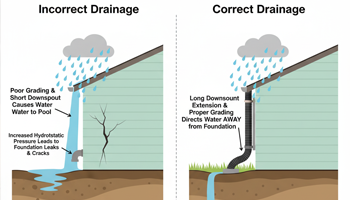
Gutter Drainage & Downspout Extensions
Gutter Drainage & Downspout Extensions: Prevent Foundation Water Damage Your roof collects hundreds of gallons…
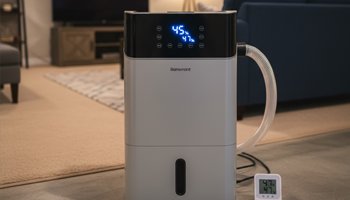
Basement Dehumidifier Sizing
Basement Dehumidifier Sizing Guide: Square Footage & Moisture Level Calculator Choosing the wrong dehumidifier size…
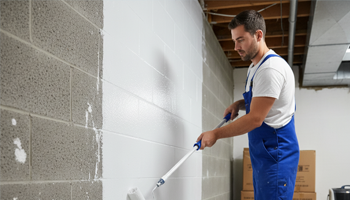
Drylok vs Xypex vs Thoroseal
Drylok vs Xypex vs Thoroseal: Which Basement Waterproofing Paint Actually Works? Basement waterproofing paints promise…
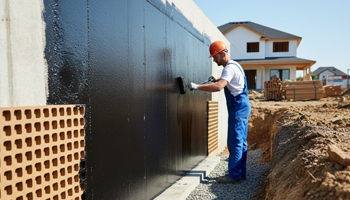
Exterior Basement Waterproofing
Exterior Basement Waterproofing: Complete Excavation Cost & Membrane Installation Guide Exterior basement waterproofing represents the…
Best Sump Pump Systems with Battery Backup
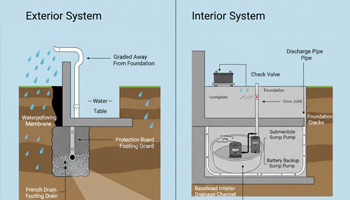
Best Sump Pump Systems with Battery Backup When your power goes out during a severe…
French Drain vs Interior Drainage
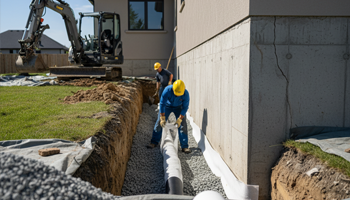
French Drain vs Interior Drainage System: Which Protects Your Basement Better? When water threatens your…

Basement Waterproofing Encyclopedia
Basement Waterproofing Encyclopedia: Systems, Methods & Cost Analysis Basement waterproofing isn’t just about keeping your…