Waterproofing Drainage
Basement Waterproofing Systems: Drainage, Pumps & Exterior Membranes
Water in a basement is not “just humidity.” It’s pressure. Hydrostatic pressure from outside soil forces water through joints, cracks, and block walls. The right fix is not paint — it’s a system.
This page explains the main basement waterproofing systems in 2025: interior drainage, French drains, sump pumps with battery backup, vapor barriers, exterior membranes, and grading / downspout control. You’ll also see when you need engineering approval.
Interior vs exterior waterproofing
Interior systems (drain tile, sump pumps, interior channel drains) manage water after it gets in.
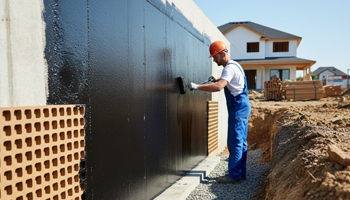
Exterior systems (excavation, membrane, footing drains) try to stop water before it reaches the wall.
Full breakdown here:
Drainage solutions: French drains, interior drainage, grading
Standing water against your foundation is the #1 driver of long-term structural failure and mold.
Compare performance, maintenance, and lifespan here:
Sump pumps, backup systems & humidity control
A sump pump is only good if it works during a storm — which is also when the power fails. That’s why serious systems include battery backup or dual pumps. After pumping, you still have to control vapor and moisture load.
Deep dives:
These two resources show how to size equipment and what maintenance actually matters.
Vapor barriers, encapsulation & crawl spaces
Below-grade air is usually wet air. Crawl spaces that aren’t sealed pull moisture up into the living areas and feed rot, odors, and even structural decay.
See full process, materials, and cost ranges in:
This is also where you prevent future mold claims when selling the home.
Waterproofing products & coatings
Not all “basement waterproofing paints” are equal. Some products (like cementitious crystalline coatings) actually densify the wall. Others are just cosmetic.
We compare popular systems like Drylok, Xypex, and Thoroseal here:
When you need structural engineering, not just waterproofing
If you’re seeing wall bowing, stepped cracking in block, or a wall that’s deflecting inward, you’re beyond “waterproofing.” You’re in structural territory.
Read:
This is important because insurance, permits, and resale all change once the wall is declared compromised.
Related Resources
FAQ
What’s the best way to waterproof a basement permanently?
Usually: exterior excavation + membrane + footing drain + sump redundancy. Interior-only systems manage symptoms but don’t remove exterior water load.
Do French drains actually work long term?
Yes, if properly graded, filtered, and maintained. Bad installs clog with soil because fabric or clean stone was skipped.
Is crawl space encapsulation worth the cost?
In most humid climates, yes — it stops moisture migration, protects framing, and can improve indoor air quality.