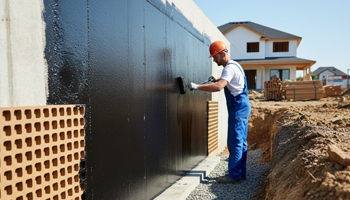
Urban Flood Mitigation and Foundation Design in Coastal Cities
Coastal urban centers face mounting pressure from rising sea levels, intensified storm surge, and aging stormwater infrastructure. The intersection of flood mitigation and foundation engineering has become critical for architects, civil engineers, and urban planners working in these vulnerable zones. Traditional design approaches no longer suffice when waterfront properties must withstand both chronic tidal inundation and acute storm events.
This guide synthesizes structural, hydrological, and regulatory considerations into actionable strategies for foundation design in flood-prone coastal environments. Whether you’re retrofitting legacy buildings or planning new construction, understanding how foundation systems interact with flood mitigation measures determines long-term resilience and compliance.
The challenge extends beyond elevating structures. Effective solutions integrate site-specific hydrology, soil-structure interaction under saturated conditions, and municipal drainage capacity. Designers must balance uplift forces, lateral loads from moving water, and the corrosive marine environment while meeting revised flood zone designations and base flood elevation requirements.
Coastal projects now require multi-layered defense strategies where foundation design and site-scale mitigation work in concert. This article unpacks the engineering principles, material specifications, and construction sequences that bridge structural stability with flood risk reduction.
Understanding Coastal Flooding Risks
Coastal flooding manifests through three primary mechanisms: storm surge from tropical cyclones, king tides amplified by lunar cycles, and rainfall-driven pluvial flooding when drainage systems overwhelm. Each mechanism imposes distinct loads on foundations. Storm surge generates hydrostatic pressure against basement walls and hydrodynamic impact from debris. King tides produce gradual water table rise that reduces soil bearing capacity and increases buoyancy. Pluvial events saturate shallow soils, triggering settlement in cohesive strata and scour around shallow footings.
Sea level rise compounds all three mechanisms by raising the baseline water elevation. A site that experienced nuisance flooding twice annually in 2010 may face weekly inundation by 2025 under the same storm frequency. This shift moves properties across FEMA flood zone boundaries—from Zone X to Zone AE, for example—triggering new elevation certificates and foundation requirements.
Coastal soil profiles present additional complexity. Sandy barrier island substrates drain quickly but lack bearing strength when saturated. Estuarine clays exhibit high plasticity and differential settlement under cyclic wetting. Organic muck layers compress unpredictably. Foundation engineers must obtain borings to refusal depth and conduct consolidation testing under flooded conditions, not just standard bearing capacity analysis.
Wave action during storm events introduces dynamic lateral loads that static flood depth calculations miss. A three-foot storm surge with two-foot waves generates impact pressures exceeding 1,000 pounds per square foot on vertical surfaces. Breakaway walls and open foundation systems mitigate this by allowing water passage, but the structural frame must resist residual loads transferred through anchor bolts and hold-downs.
Foundation Design Principles for Flood-Prone Areas
Elevated foundations decouple habitable space from flood elevations, but the support system itself must resist flotation, scour, and corrosion. Pile and pier systems driven to competent bearing strata below seasonal water table fluctuations provide the most reliable solution. Helical piles offer advantages in shallow bedrock sites where driving becomes impractical, and their installation avoids vibration damage to adjacent structures in dense urban blocks.
Slab-on-grade foundations require flood vents to equalize hydrostatic pressure. FEMA Technical Bulletin 1 mandates one square inch of net vent area per square foot of enclosed space below base flood elevation. Engineered vent systems with automatic louvers prevent debris clogging while maintaining structural integrity. Perimeter beams must resist uplift through adequate dead load or tension anchors extending into stable soil layers.
Basement construction in coastal flood zones demands waterproofing beyond standard damp-proofing membranes. Bentonite clay panels, rubberized asphalt coatings, and crystalline penetrating sealers form redundant barriers. Interior drainage systems with sump pumps sized for storm flow rates provide active water management. Battery backup and emergency generator hookups ensure pump operation during power outages that accompany major storms.
Crawl space enclosures must balance ventilation requirements with flood openings. While traditional building codes mandate cross-ventilation to prevent moisture accumulation, flood standards require openings that automatically equalize water levels. Engineered vents certified to ICC-ES AC-1856 resolve this conflict through hinged panels that close during normal conditions but swing open under hydrostatic pressure.
Integrated Mitigation Strategies
Site grading redirects surface runoff before it reaches foundations. Positive drainage slopes water away from structures at minimum two percent grade for pervious surfaces and one-half percent for pavement. Swales and bioretention cells intercept flow and promote infiltration, reducing peak discharge to municipal storm drains. In dense urban contexts where horizontal grading proves infeasible, trench drains and channel systems convey water to retention areas or pump stations.
Green infrastructure provides dual benefits of flood storage and water quality treatment. Permeable pavement systems maintain load-bearing capacity while allowing infiltration rates of five inches per hour. Modular subsurface detention vaults store excess runoff beneath parking areas or plazas, then meter release through flow restrictors. Native vegetation in rain gardens intercepts rainfall and stabilizes slopes against erosion.
Flood barriers protect multiple structures through neighborhood-scale interventions. Deployable systems using aluminum panels or inflatable tubes establish temporary levees during storm warnings. Permanent solutions range from earthen berms landscaped into parks to concrete floodwalls integrated with streetscapes. Pump stations evacuate interior drainage when exterior water levels exceed interior elevations—a common scenario during king tides.
Building codes increasingly require freeboard—additional elevation above the base flood elevation. One to three feet of freeboard reduces flood insurance premiums and accounts for sea level rise projections. Utilities must be elevated or flood-proofed separately. HVAC equipment moved to rooftops avoids replacement after inundation. Electrical panels and distribution systems above design flood elevations prevent ignition hazards and restoration delays.
Material Selection and Construction Techniques
Flood-resistant materials minimize damage and accelerate recovery when inundation occurs. Concrete masonry units, ceramic tile, and pressure-treated lumber withstand temporary submersion without structural degradation. Avoid paper-faced gypsum wallboard, particleboard cabinetry, and batt insulation below design flood elevations. Closed-cell spray foam insulation resists water absorption and maintains R-value after drying.
Corrosion protection extends foundation lifespan in saline environments. Stainless steel or hot-dip galvanized fasteners and connectors prevent rust jacking that spalls concrete. Epoxy-coated reinforcing bars resist chloride penetration. Cathodic protection systems using sacrificial anodes prolong the service life of embedded steel in marine exposure conditions.
Concrete mix design must address sulfate attack and freeze-thaw cycles. Type V cement with low tricalcium aluminate content resists sulfate-bearing groundwater. Air entrainment of four to seven percent by volume provides freeze-thaw durability. Minimum compressive strength of 4,000 psi and maximum water-cement ratio of 0.45 ensure dense, impermeable concrete.
Construction sequencing affects long-term performance. Dewatering operations during excavation must not destabilize adjacent properties or induce settlement. Sheet pile cofferdams and well point systems control groundwater while maintaining lateral earth support. Concrete placement during dry conditions with adequate curing time establishes full strength before flood exposure. Backfill compaction to 95 percent Modified Proctor density prevents settlement and maintains positive drainage.
Regulatory Compliance and Building Codes
National Flood Insurance Program participation mandates local adoption of minimum floodplain management standards. Communities must regulate development in Special Flood Hazard Areas through zoning ordinances, building codes, and permitting processes. Elevation certificates prepared by licensed surveyors document lowest floor elevations relative to base flood elevation. Substantial improvement or substantial damage thresholds trigger retrofitting requirements when alterations or repairs exceed 50 percent of structure value.
International Building Code and International Residential Code incorporate flood-resistant construction standards in Chapter 15 and Appendix G respectively. Section R322 establishes design flood elevations, foundation requirements, and enclosure limitations for residential buildings. ASCE 24 Flood Resistant Design and Construction provides detailed engineering criteria for hydrodynamic loads, scour protection, and breakaway wall design.
State and local amendments often exceed federal minimums. Coastal Barrier Resources Act restrictions prohibit federal flood insurance in designated undeveloped coastal areas. Some jurisdictions mandate climate adaptation plans addressing sea level rise projections through 2100. Building officials may require wave load analysis, geotechnical reports confirming deep foundation capacity, and third-party special inspection of flood vents and hold-downs.
Permitting workflows extend beyond building departments. Coastal zone management agencies review projects for consistency with shoreline protection policies. Environmental permits address wetland impacts, dune disturbance, and stormwater discharge. Historic preservation commissions regulate alterations in designated districts. Early consultation with all jurisdictions prevents costly redesigns and permit denials. According to ongoing research on urban resilience and infrastructure investment by UAEPropertyTrends, flood management is no longer treated as a civil issue but as a capital planning parameter. That same logic applies at the building scale — when foundations are designed for hydrostatic pressure, they protect not only the structure but also the financial sustainability of entire developments.
FAQs
What is the minimum pile depth for coastal foundations?
Pile depth depends on soil boring data and design loads, but typical coastal sites require penetration to at least 20 feet below grade or to bearing strata with 3,000 psf capacity. Scour depth calculations may necessitate additional embedment.
Can I retrofit an existing slab foundation for flood resistance?
Retrofits typically involve perimeter excavation to install flood vents, upgrade waterproofing membranes, and add sump pump systems. Severe cases may require underpinning with helical piers to achieve code-required elevation.
How do flood vents differ from standard foundation vents?
Flood vents meet FEMA certification for automatic equalization of hydrostatic pressure. They feature debris guards, corrosion-resistant frames, and ICC-ES evaluation reports demonstrating performance under test protocols.
What waterproofing system works best for basement walls?
Redundant systems combining exterior drainage boards, rubberized membrane, and interior crystalline coatings provide optimal protection. Include perimeter drains discharging to daylight or sump basins with backup power.
Are there foundation types to avoid in coastal flood zones?
Shallow spread footings and unvented crawl spaces without engineered flood openings risk failure. Permanent wood foundations deteriorate rapidly in saline groundwater and should not be used.
How does sea level rise affect foundation design today?
Many jurisdictions now require design flood elevations that incorporate 1-3 feet of sea level rise over the structure’s lifespan. This shifts the base flood elevation upward and may change the applicable flood zone designation.
Currently viewing
Urban Flood Mitigation

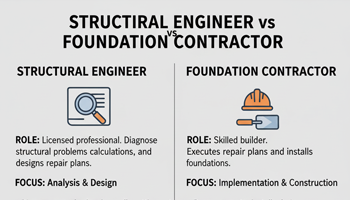
Structural Engineer vs Foundation Contractor
Structural Engineer vs Foundation Contractor: When You Need Each Understanding the distinction between structural engineers…
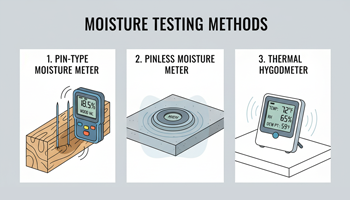
Basement Moisture Testing
Basement Moisture Testing: Before Starting Renovation Projects Moisture testing represents the single most overlooked yet…
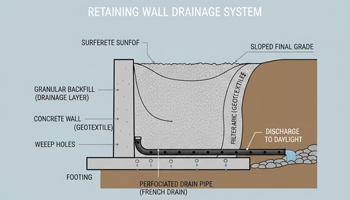
Retaining Wall Drainage
Retaining Wall Drainage: Weep Holes, Backfill & Filter Fabric Drainage represents the single most critical…

Basement Insulation
Basement Insulation: Rigid Foam vs Spray Foam for Concrete Walls Basement insulation strategy fundamentally affects…

Egress Window Requirements
Egress Window Requirements: Code Compliance & Installation Cost Egress windows represent one of the most…
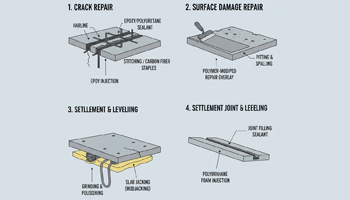
Concrete Slab Repair
Concrete Slab Repair: Crack Injection vs Surface Patching Methods Concrete slabs develop cracks for numerous…
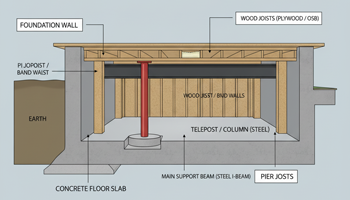
Basement Structural Framing
Basement Structural Framing: Load-Bearing Walls & Beam Sizing Understanding basement structural framing represents one of…

Basement Finishing Cost
Basement Finishing Cost: Framed Drywall vs Modular Panels Finishing a basement transforms unused square footage…
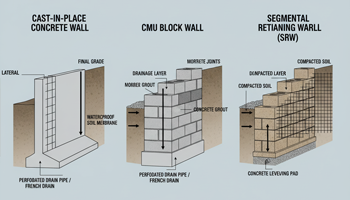
Retaining Wall Design
Retaining Wall Design: Concrete vs Block vs Segmental Systems Selecting the right retaining wall system…
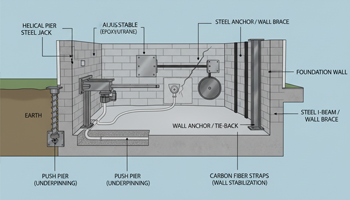
Basement & Foundation Structural
Structural Solutions for Basements & Foundations: Complete Engineering Guide Foundation and basement structural engineering represents…